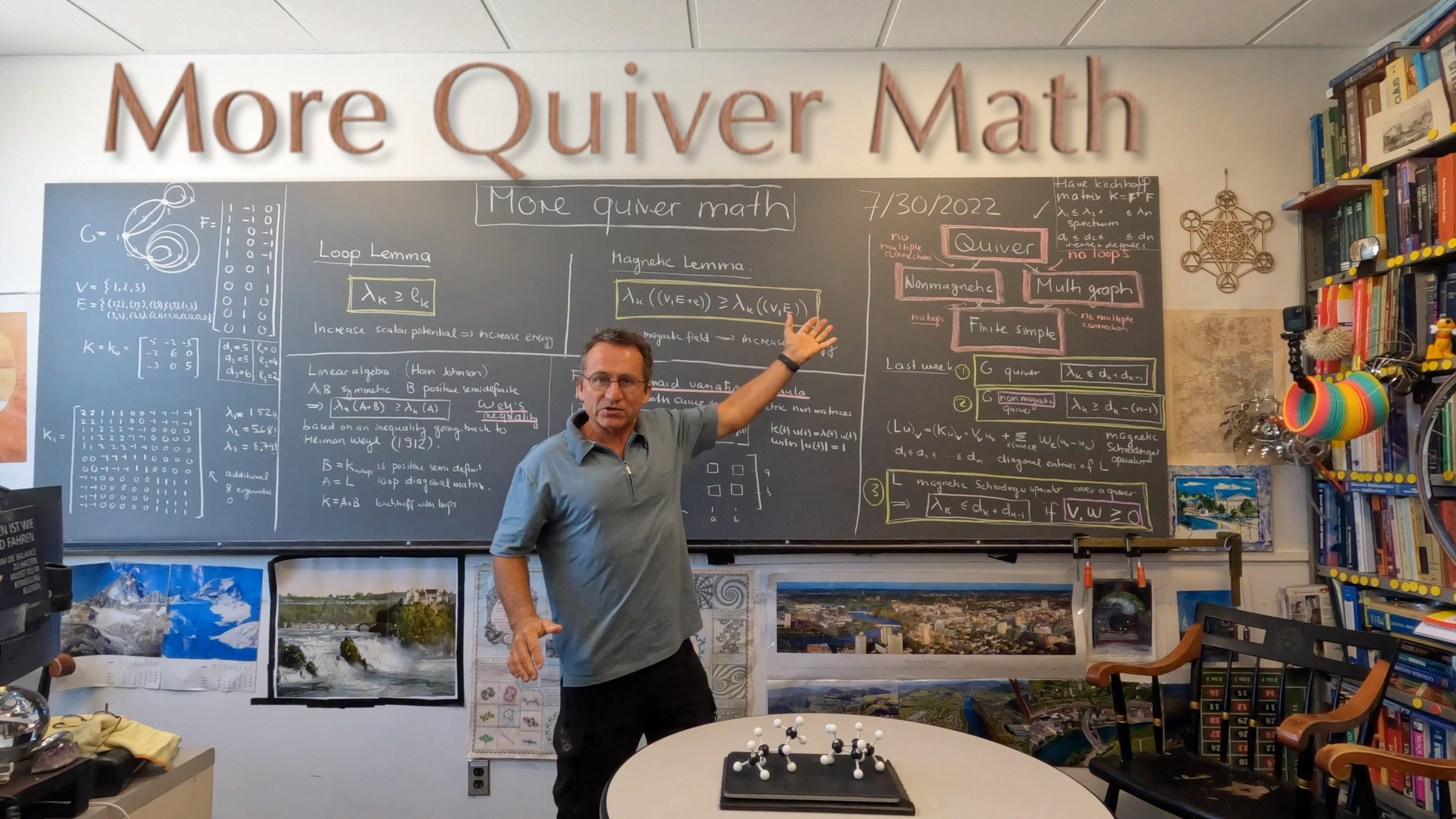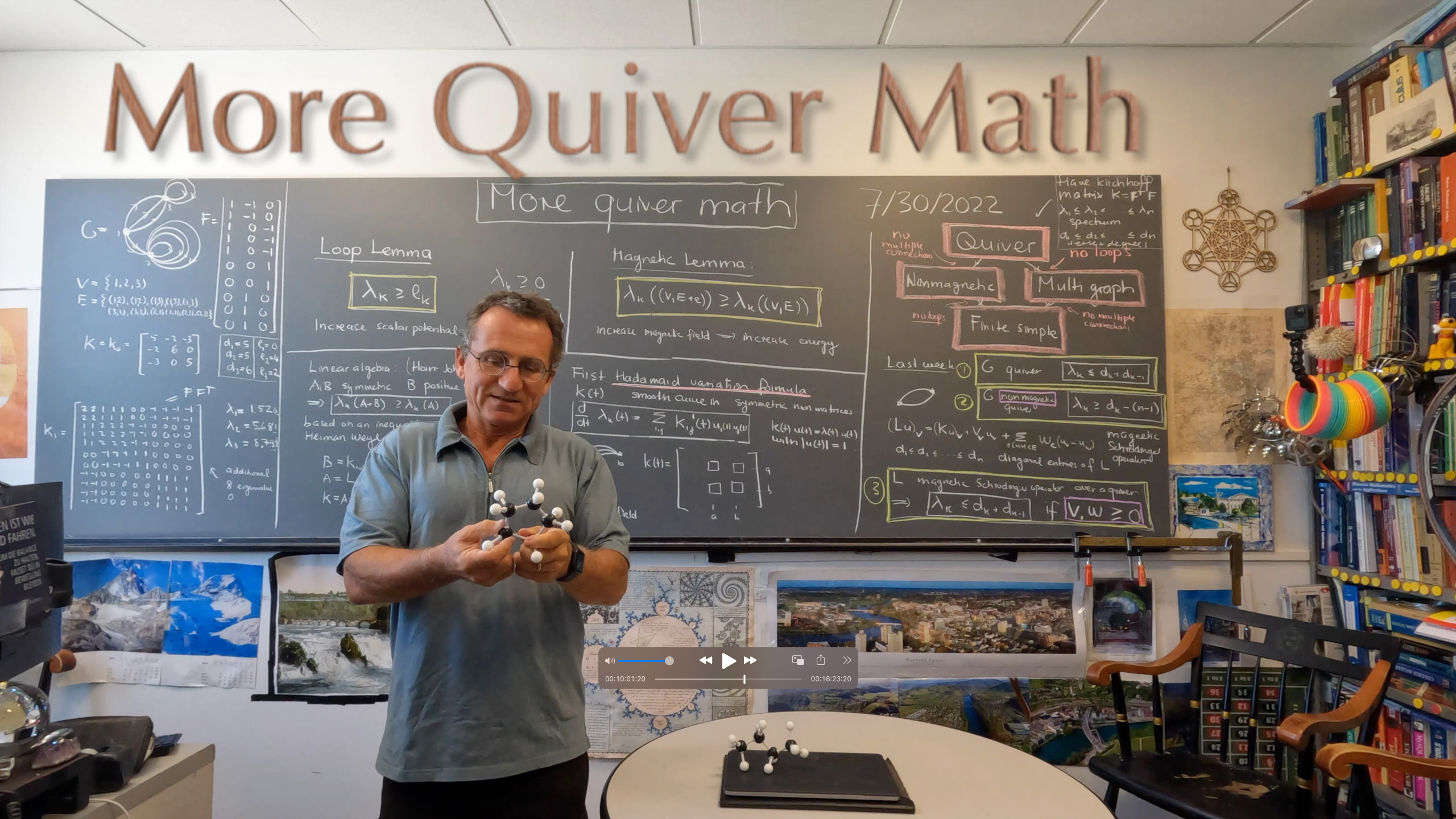
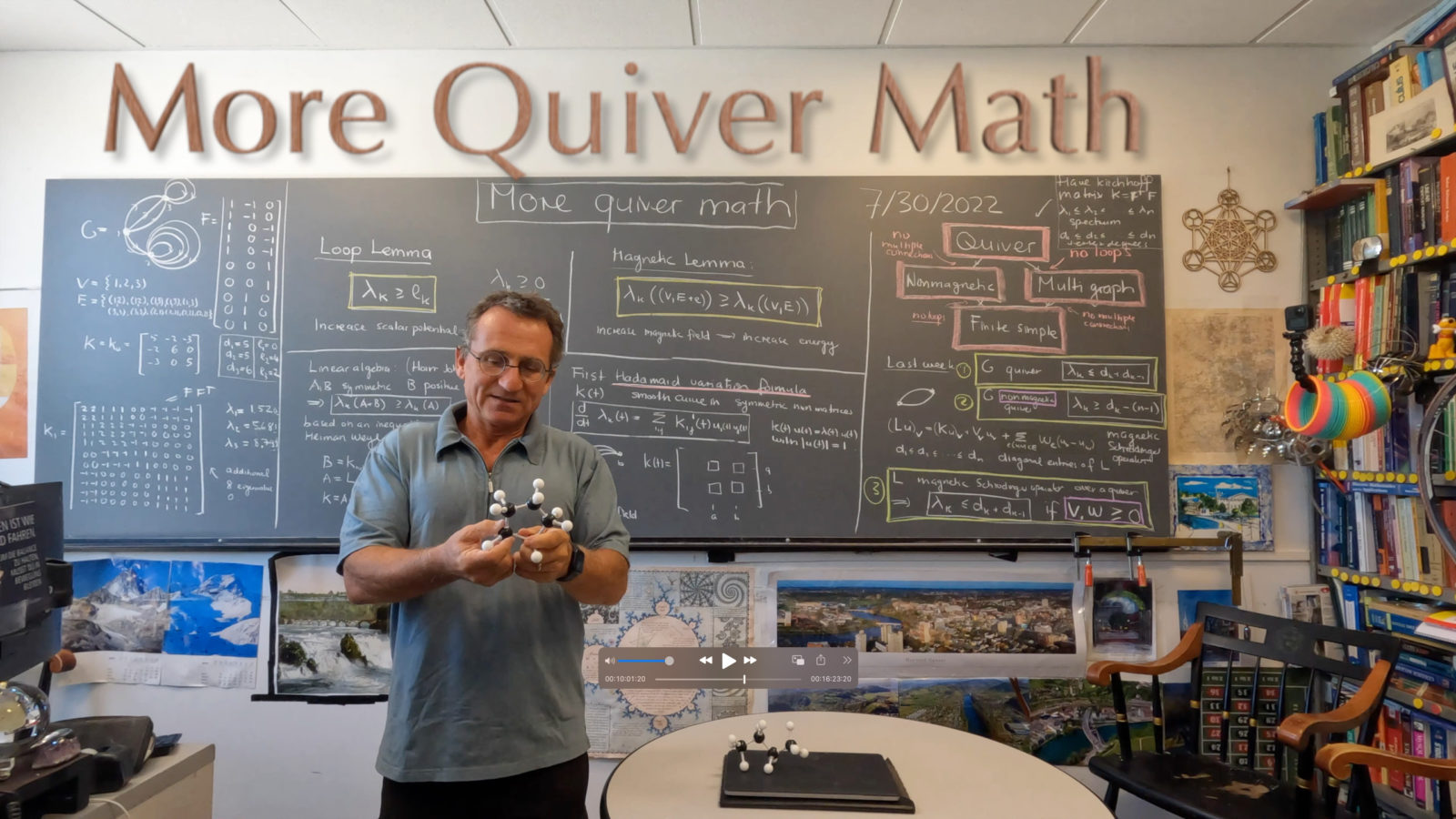
The paper [PDF] on the upper bound is updated a bit. It will also be updated on the ArXiv. In the video below, there is an update. Both for quivers as well as non-magnetic quivers (quivers without multiple connections), we can use induction to prove results. One of the amendments from the last week was to point out that the lower bound needs the assumption of the graph having no multiple connections. The second amendment was pointing out that for the upper bound valid for Schroedinger operators we need the potential to be non-negative. The talk then discusses two elementary eigenvalue perturbation results. This is in the Schroedinger picture best expressed that the eigenvalues depend in a monotone way both on the scalar potential (modeled by loops) and vector potential (modeled by multiple connections in the graph).
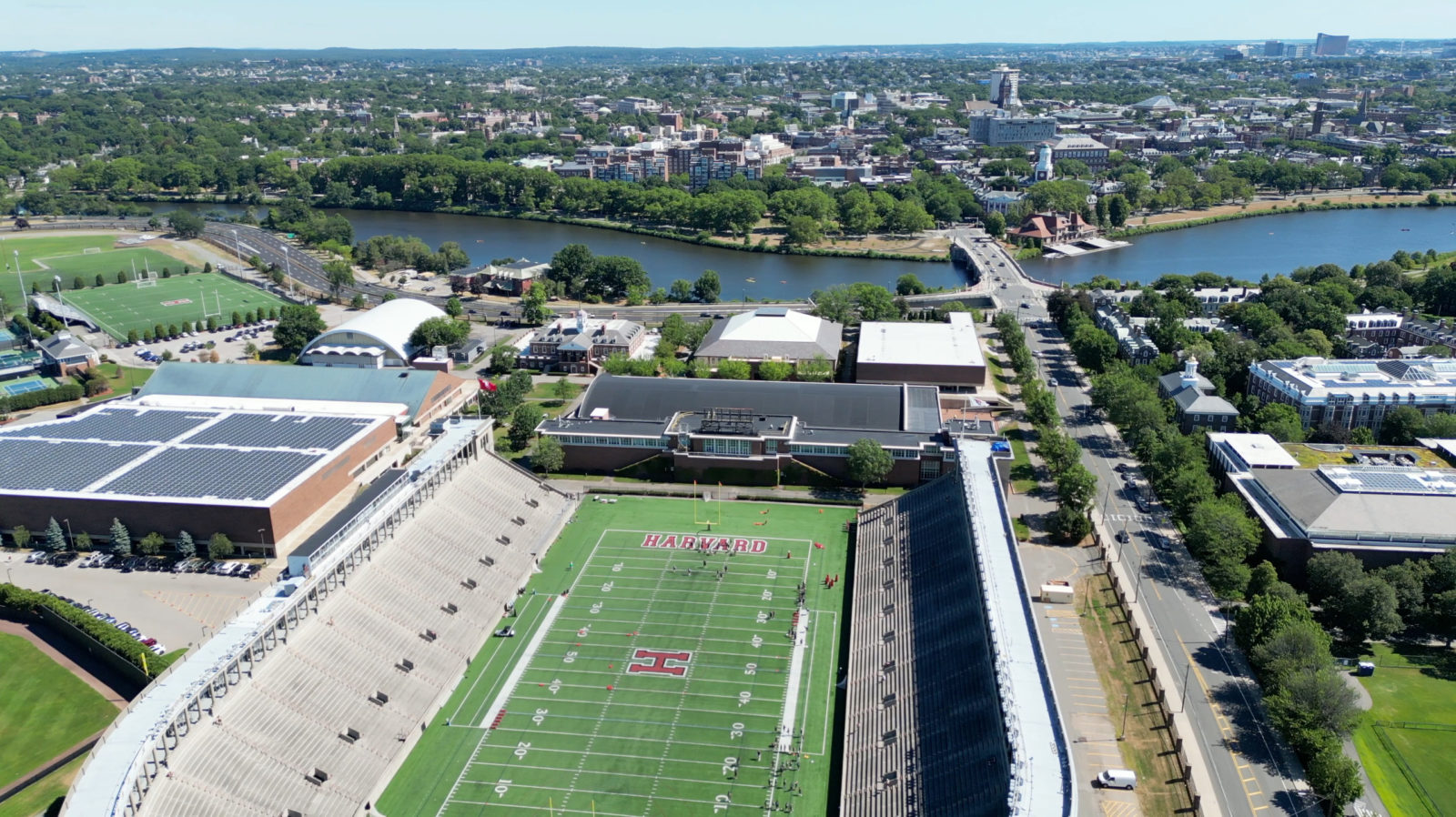
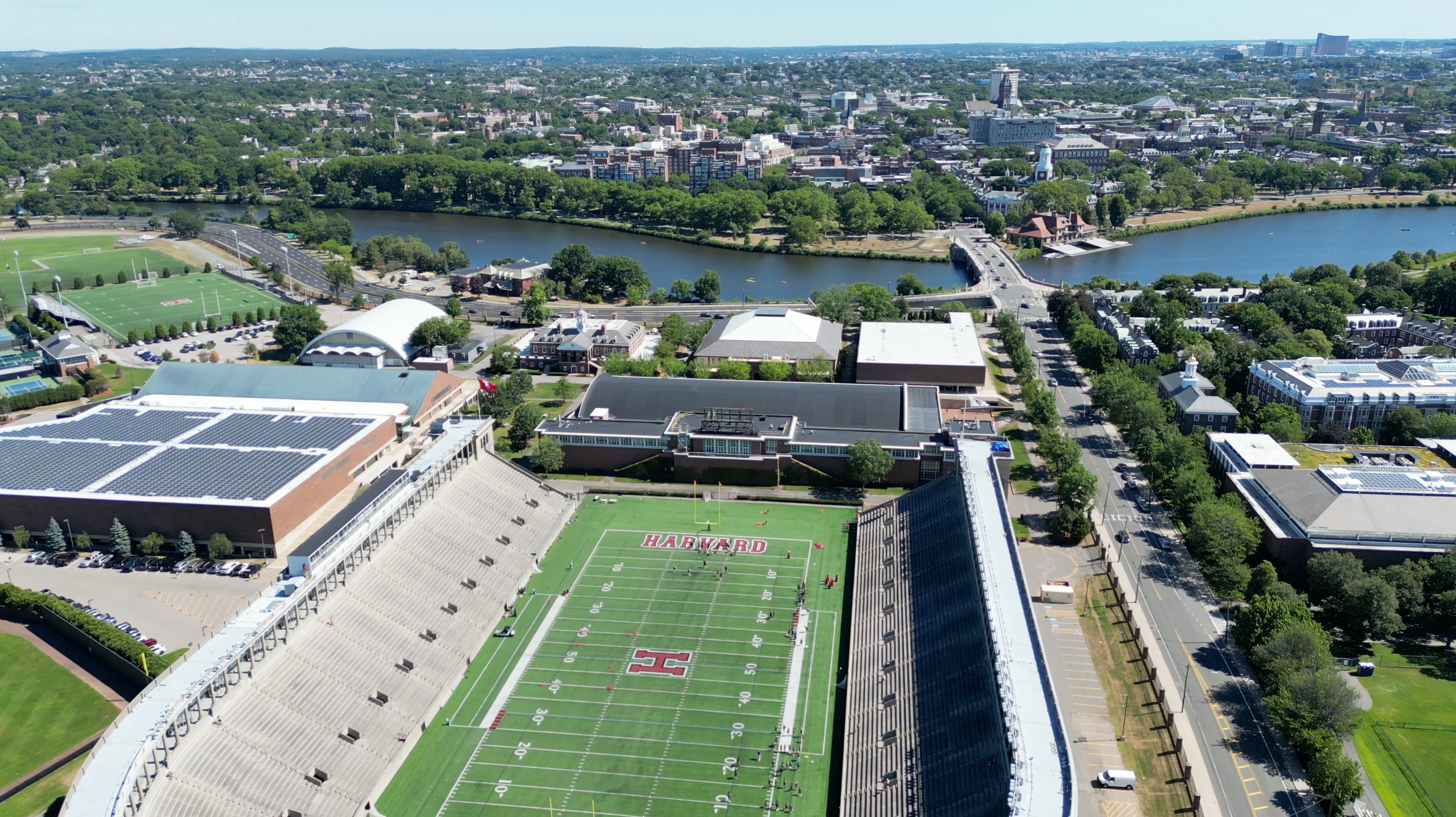
Harvard Stadium with Harvard in the Backgrround 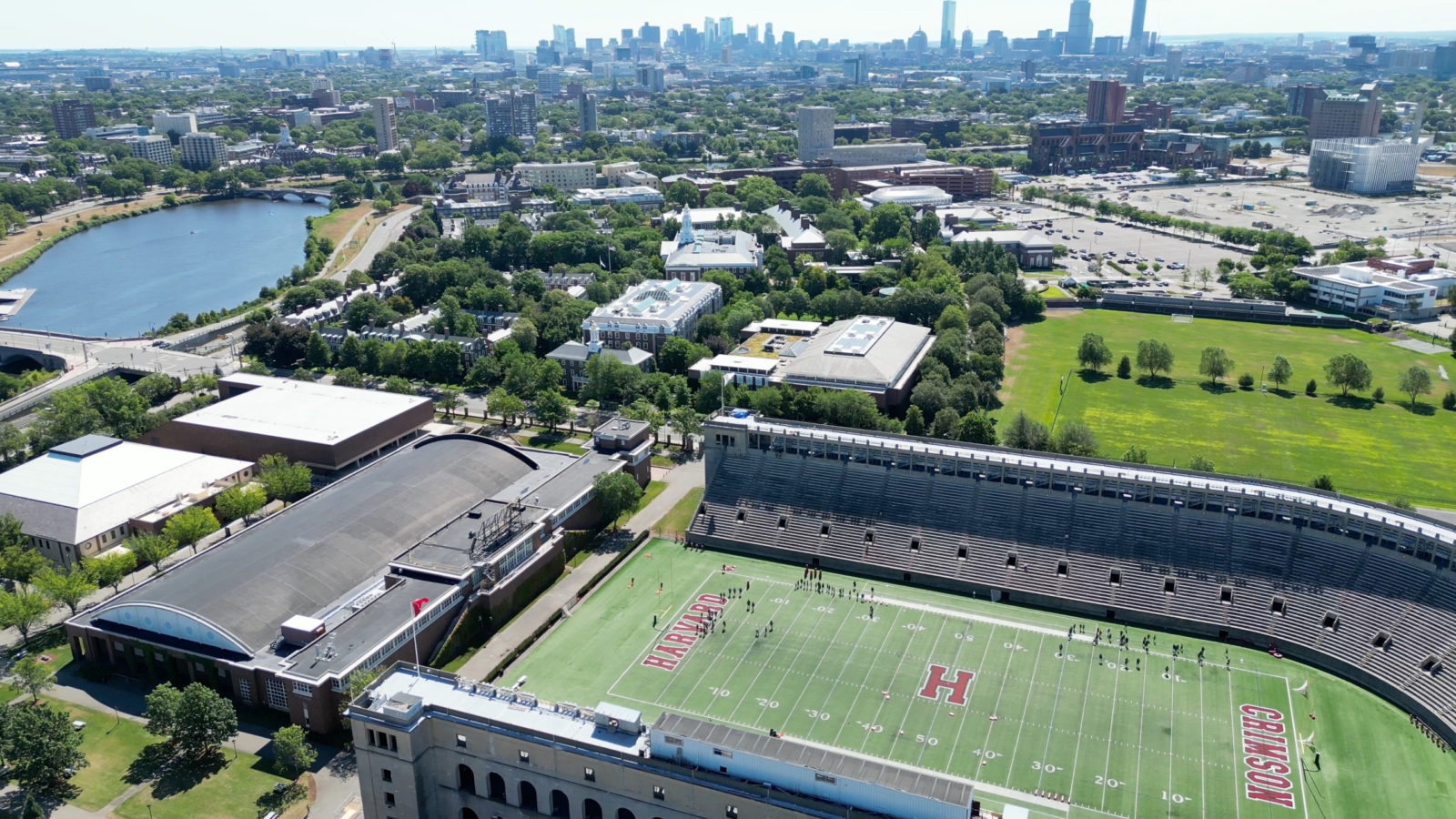
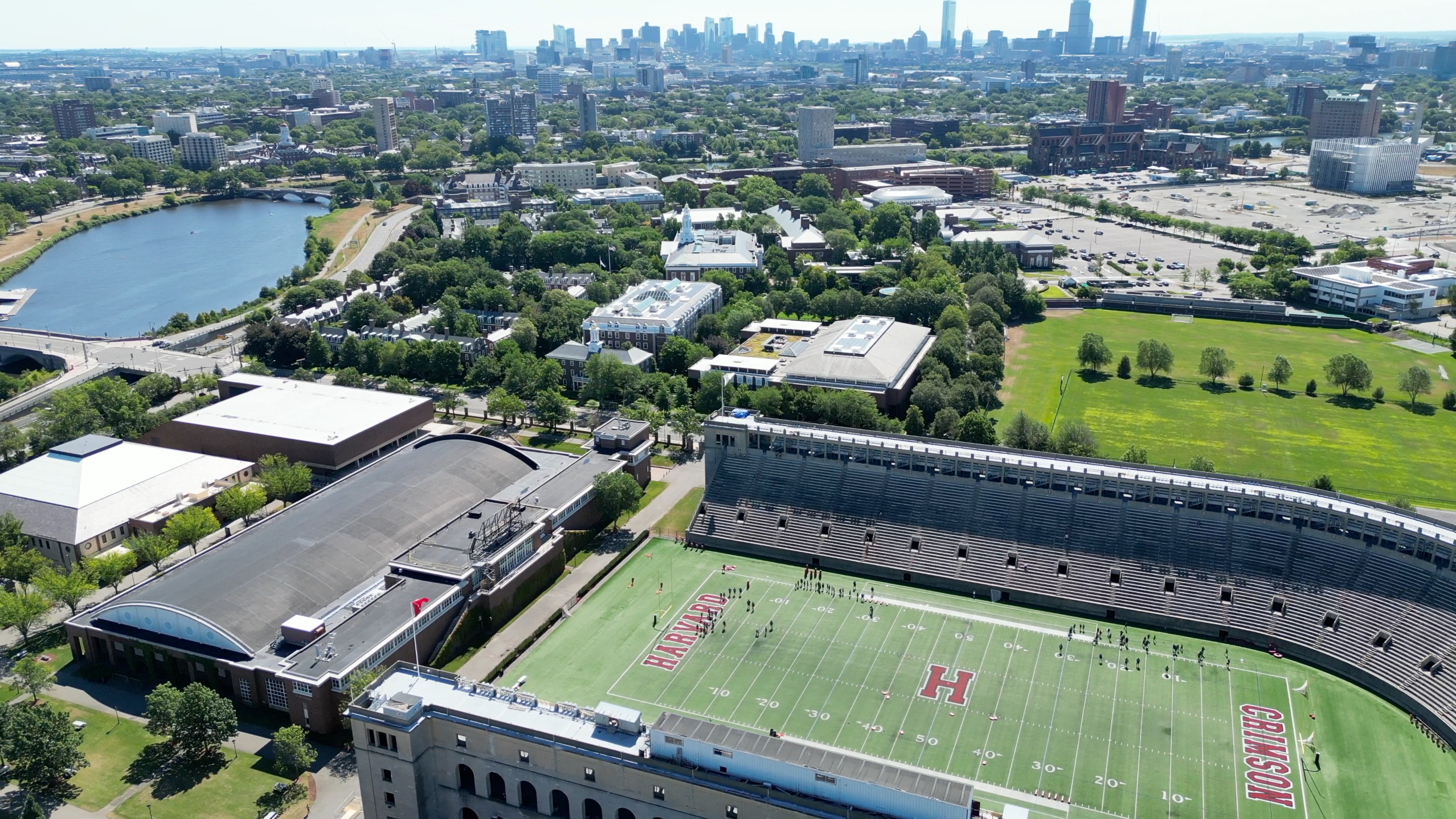
Harvard Stadium with Boston skyline in the background 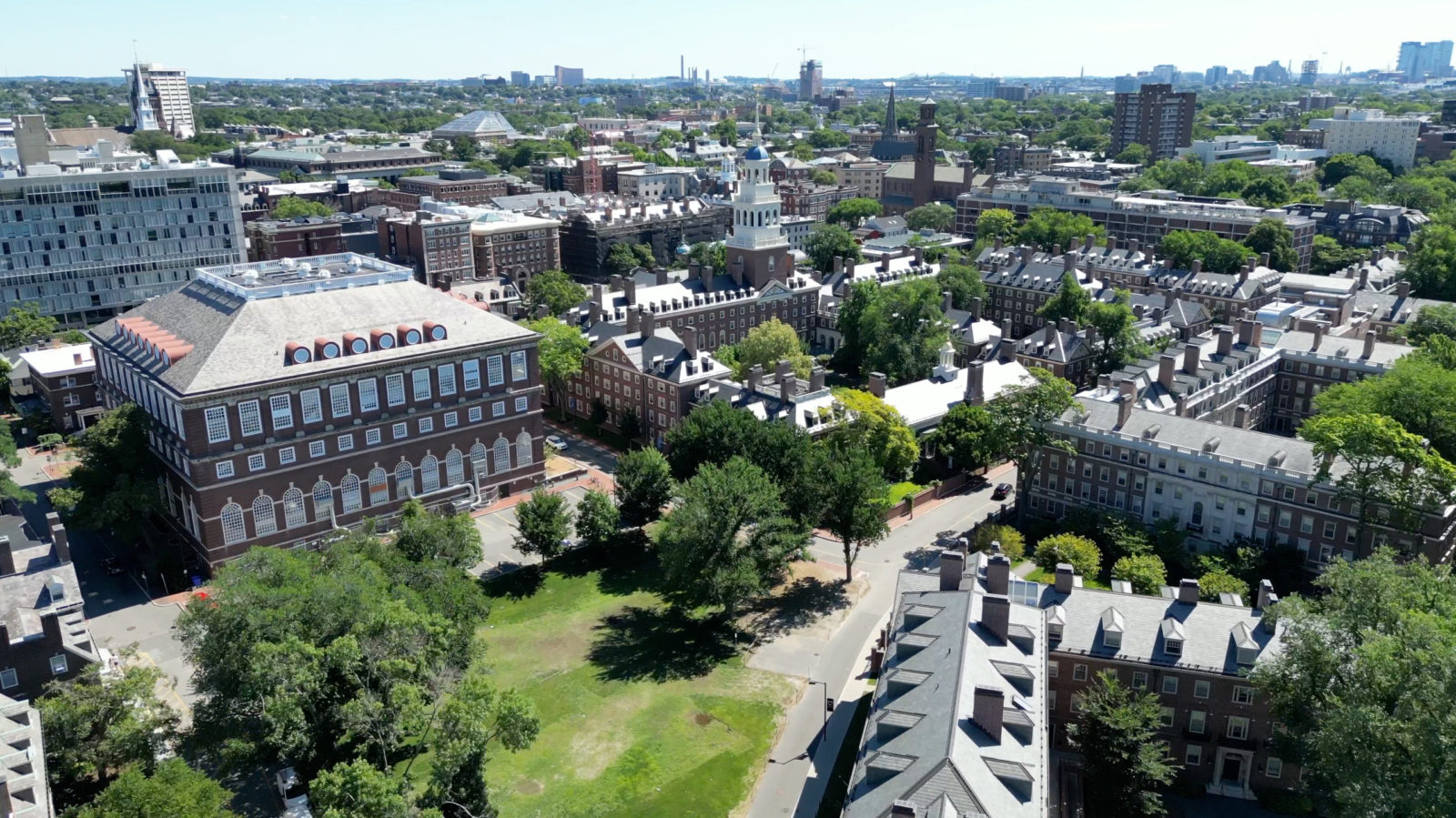
The Mac Gym at Harvard and Lowell house 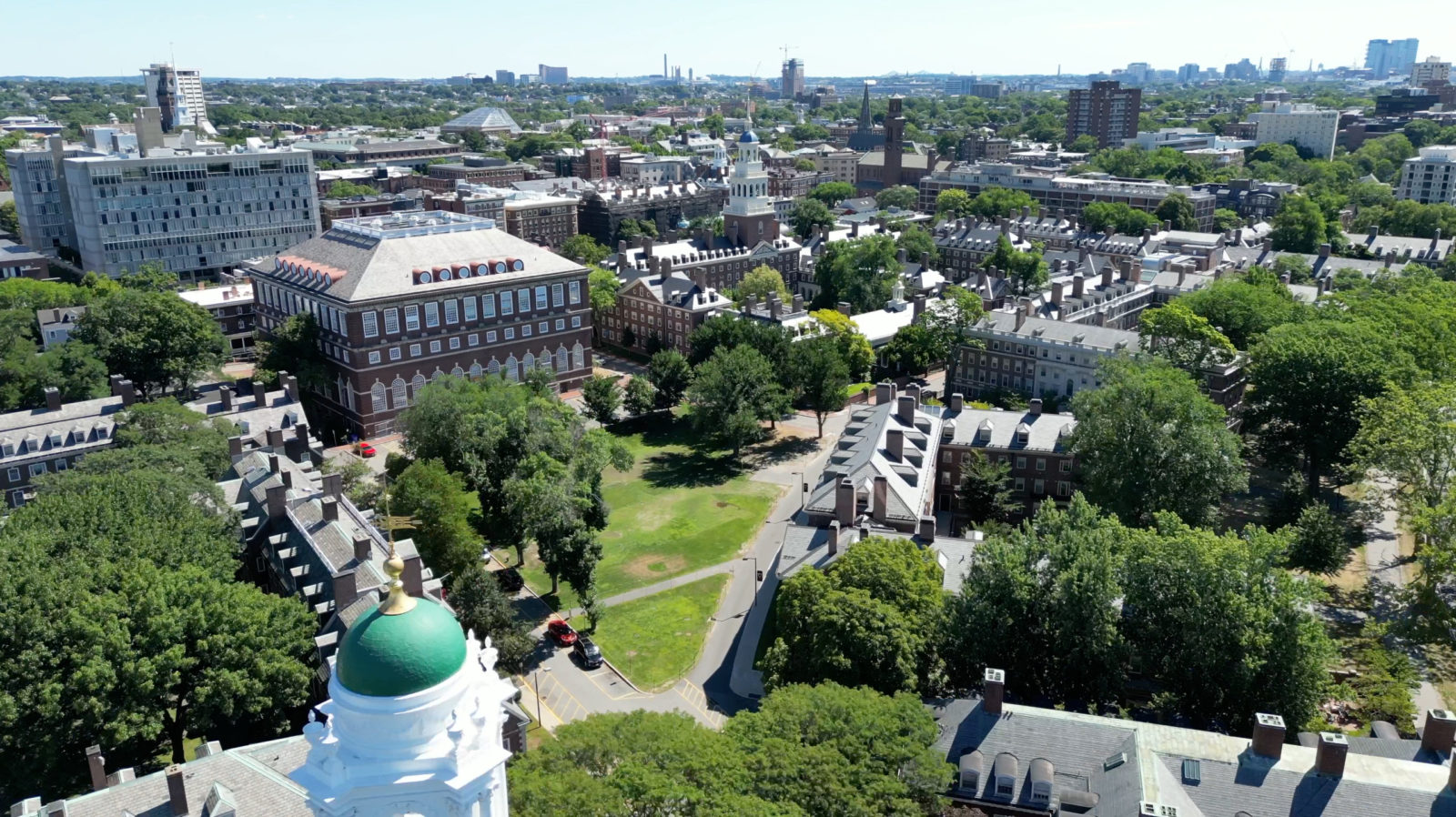
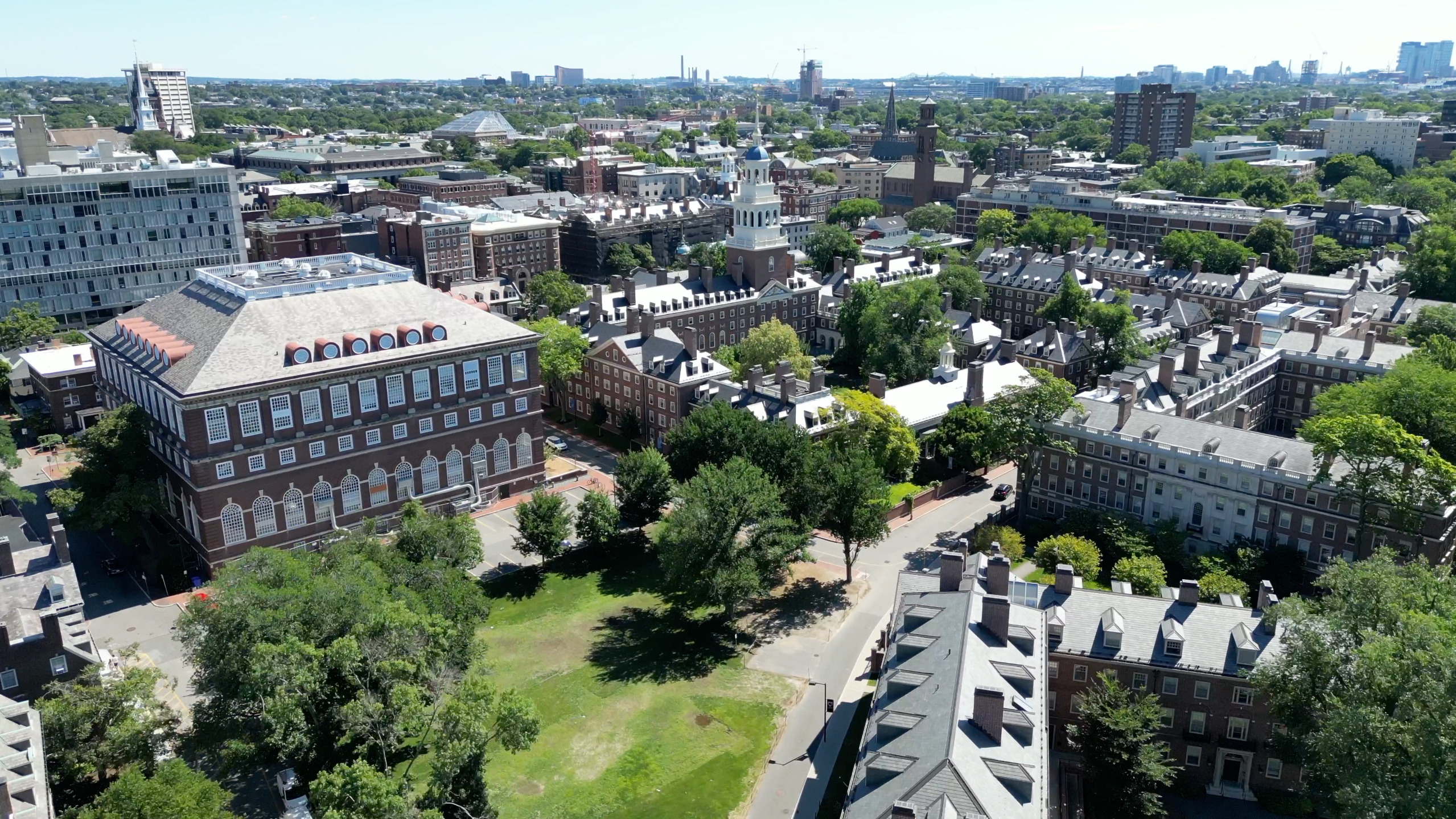
Over Elliot house 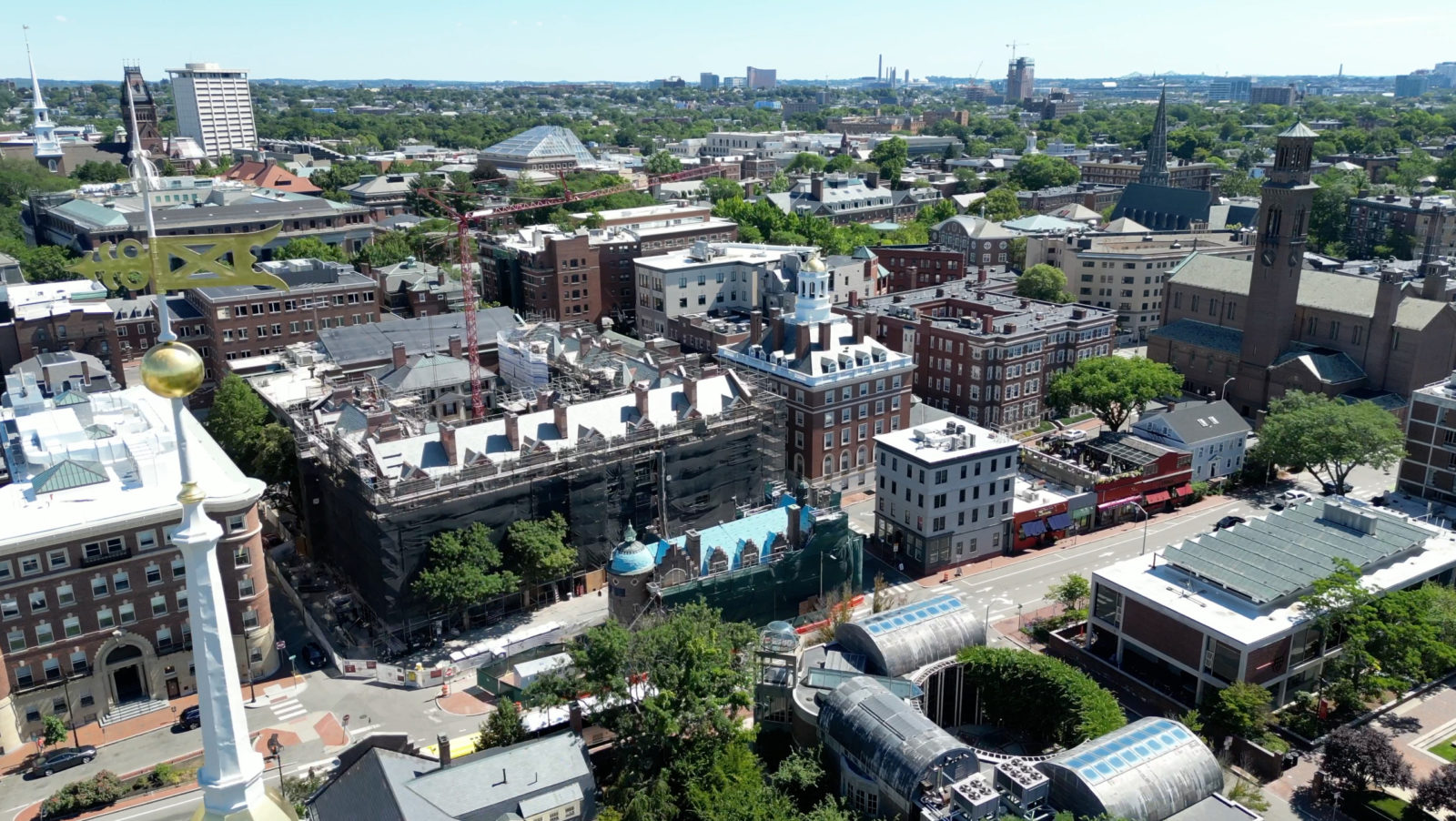
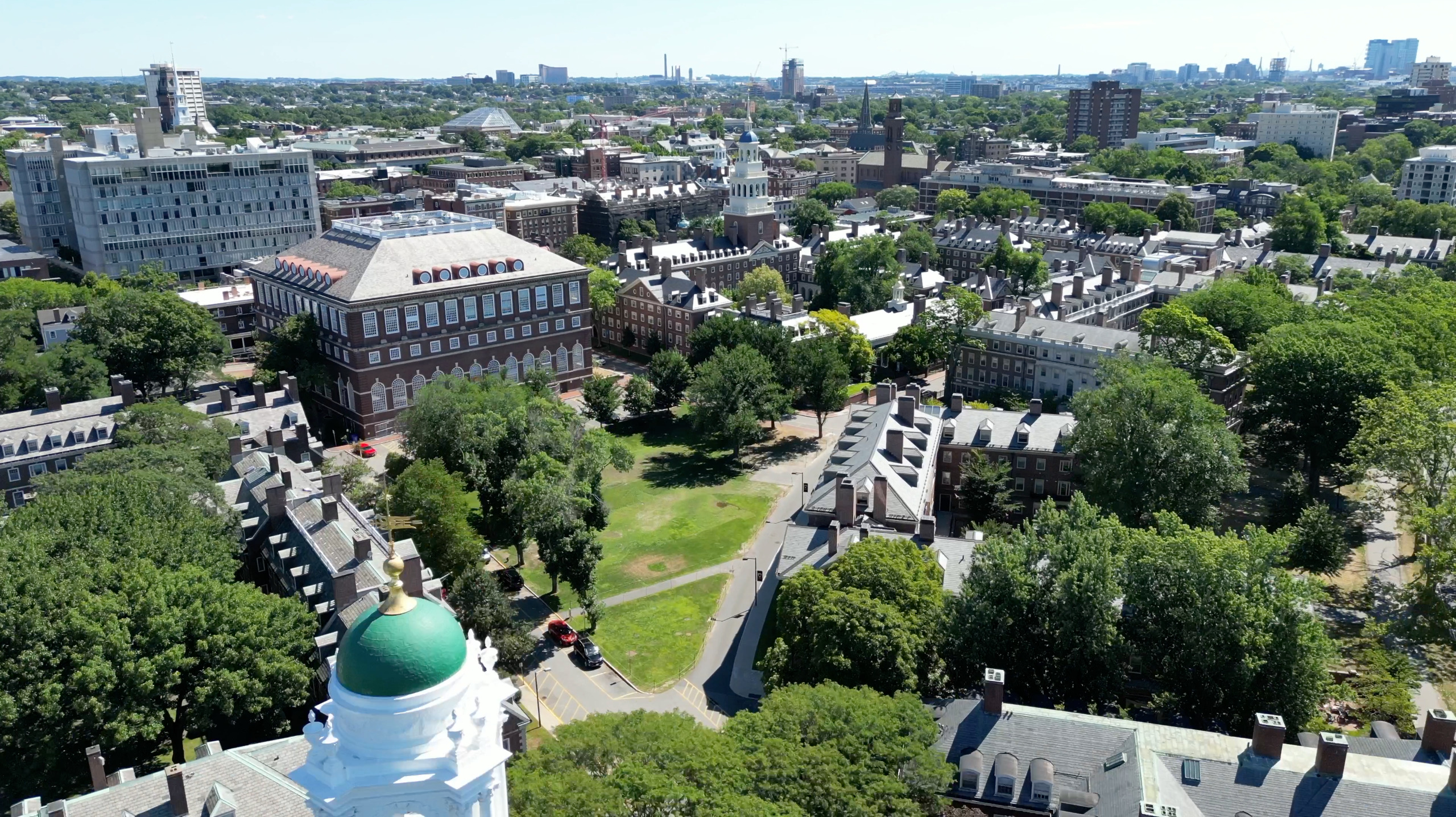
Just passing Lowell house 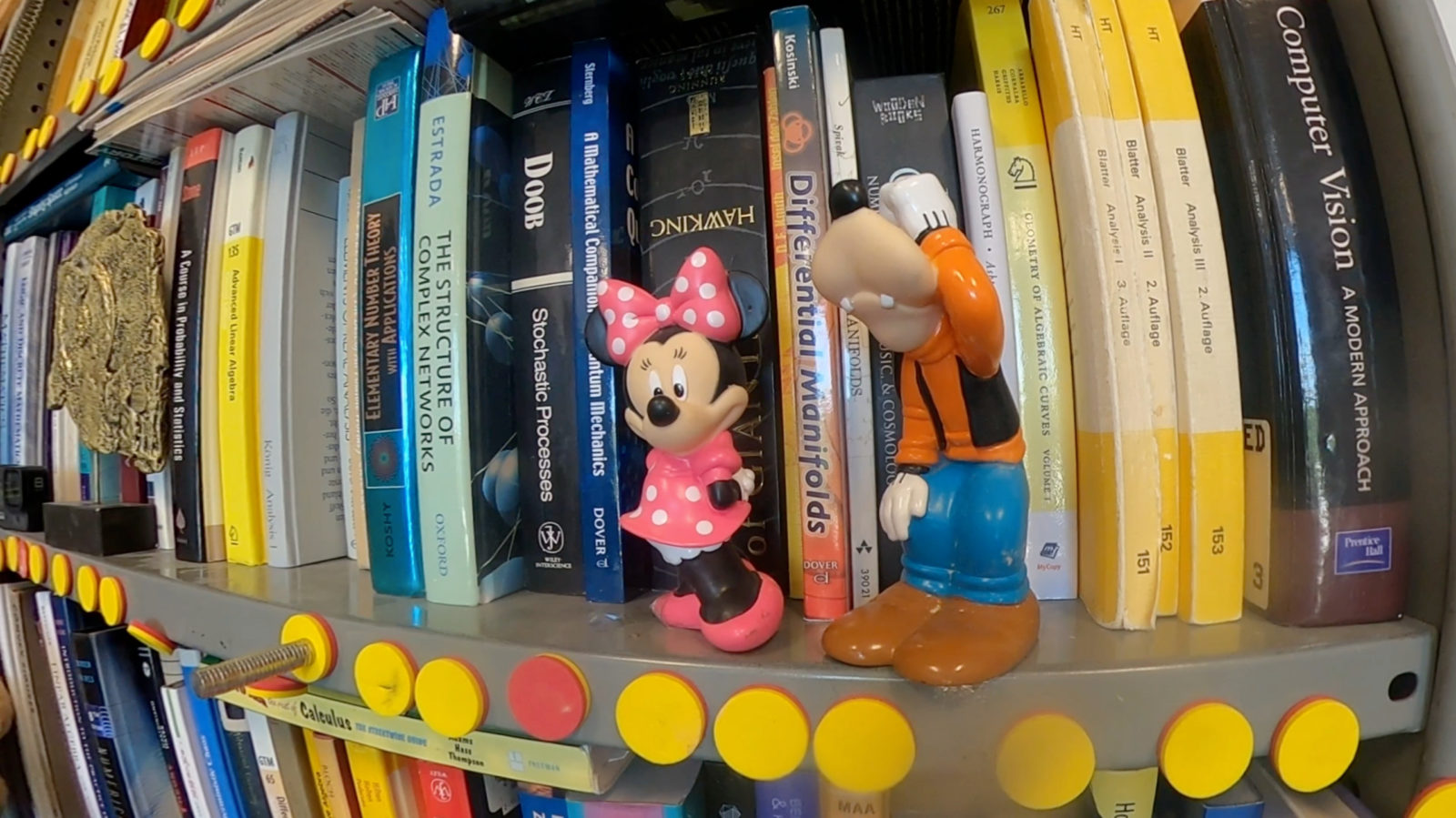
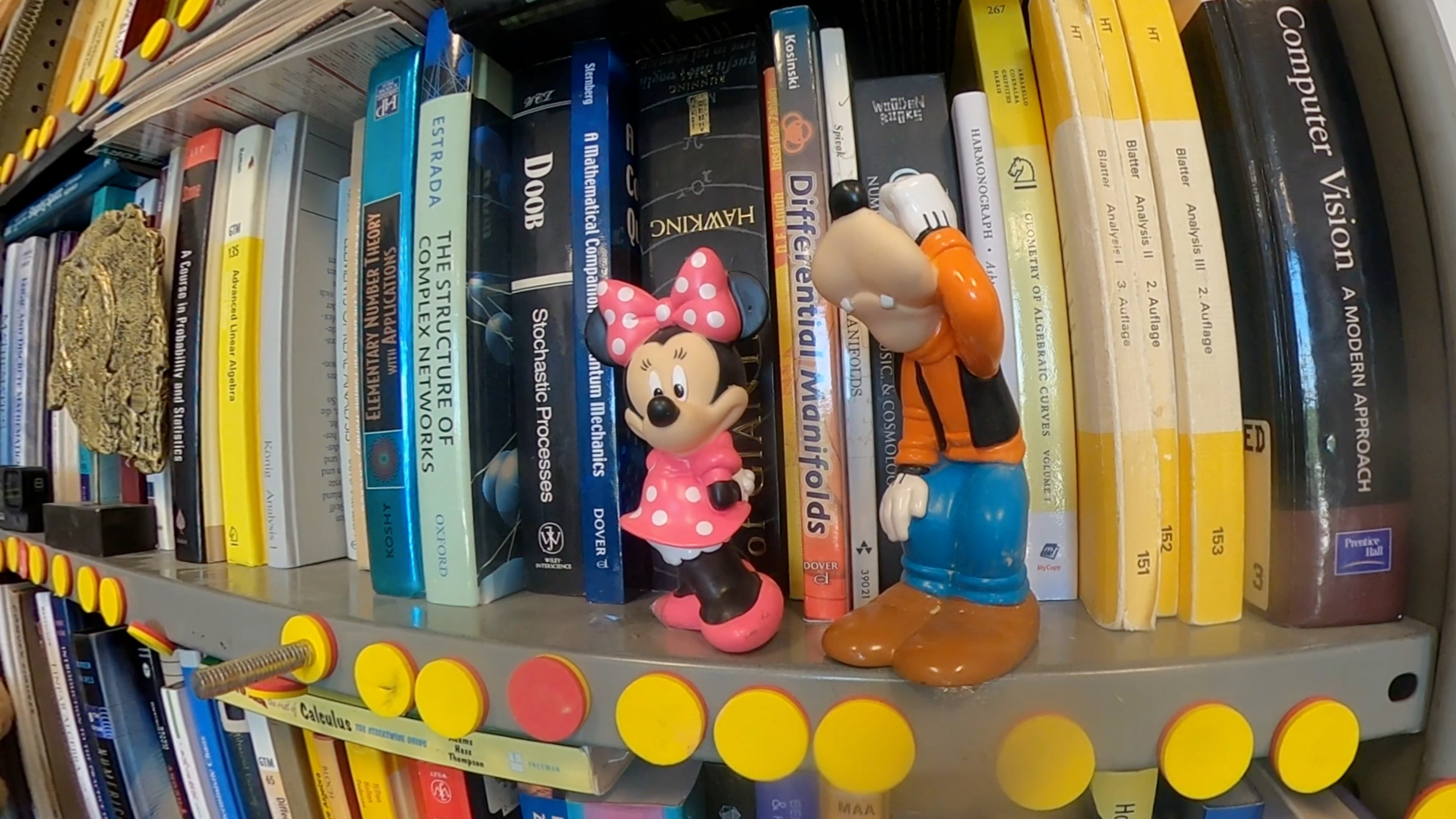
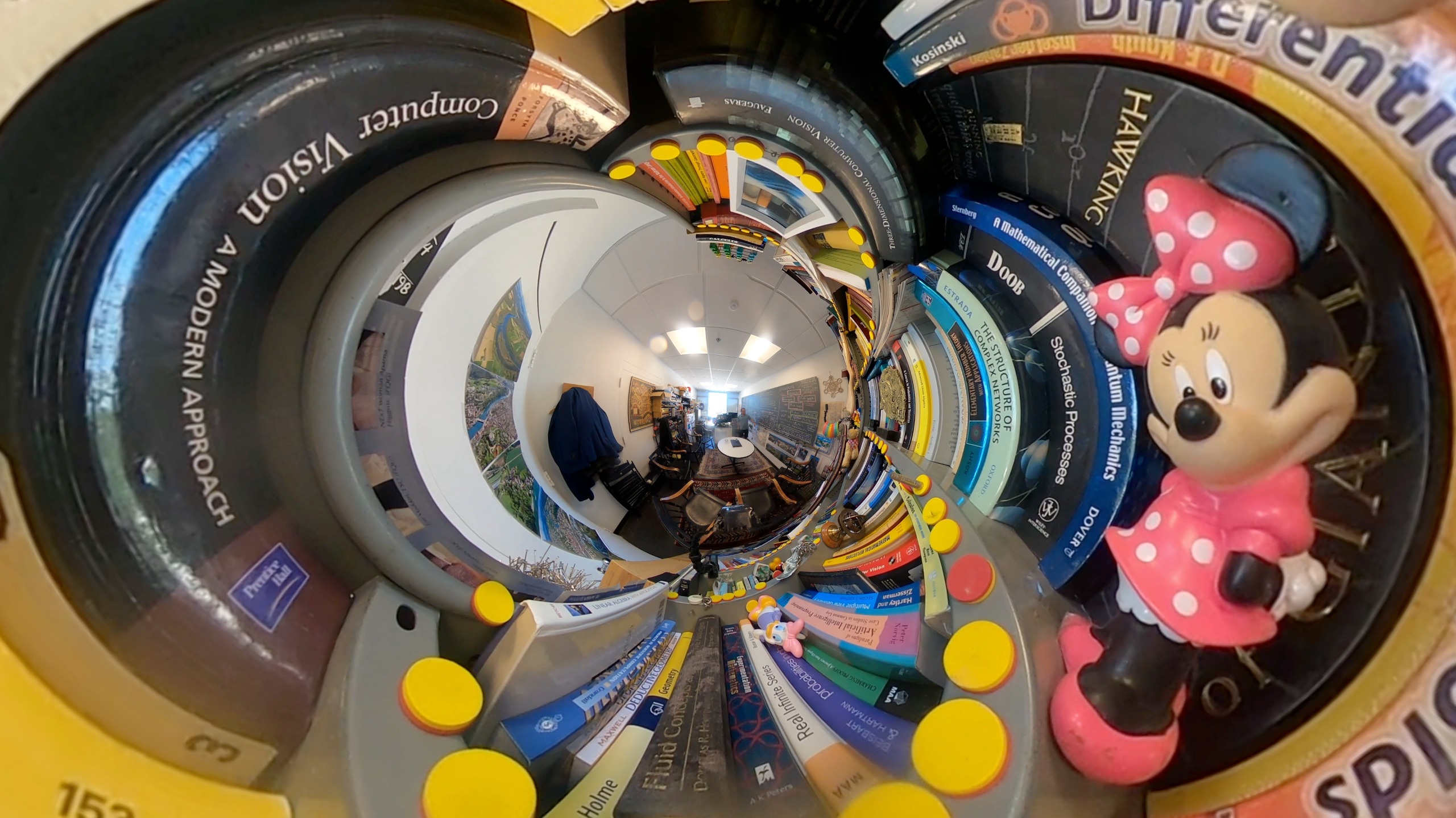
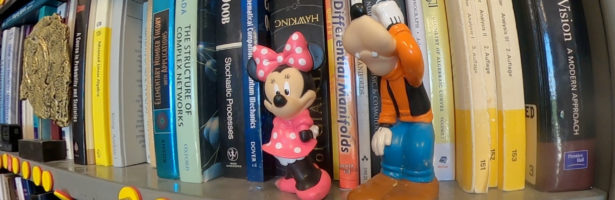
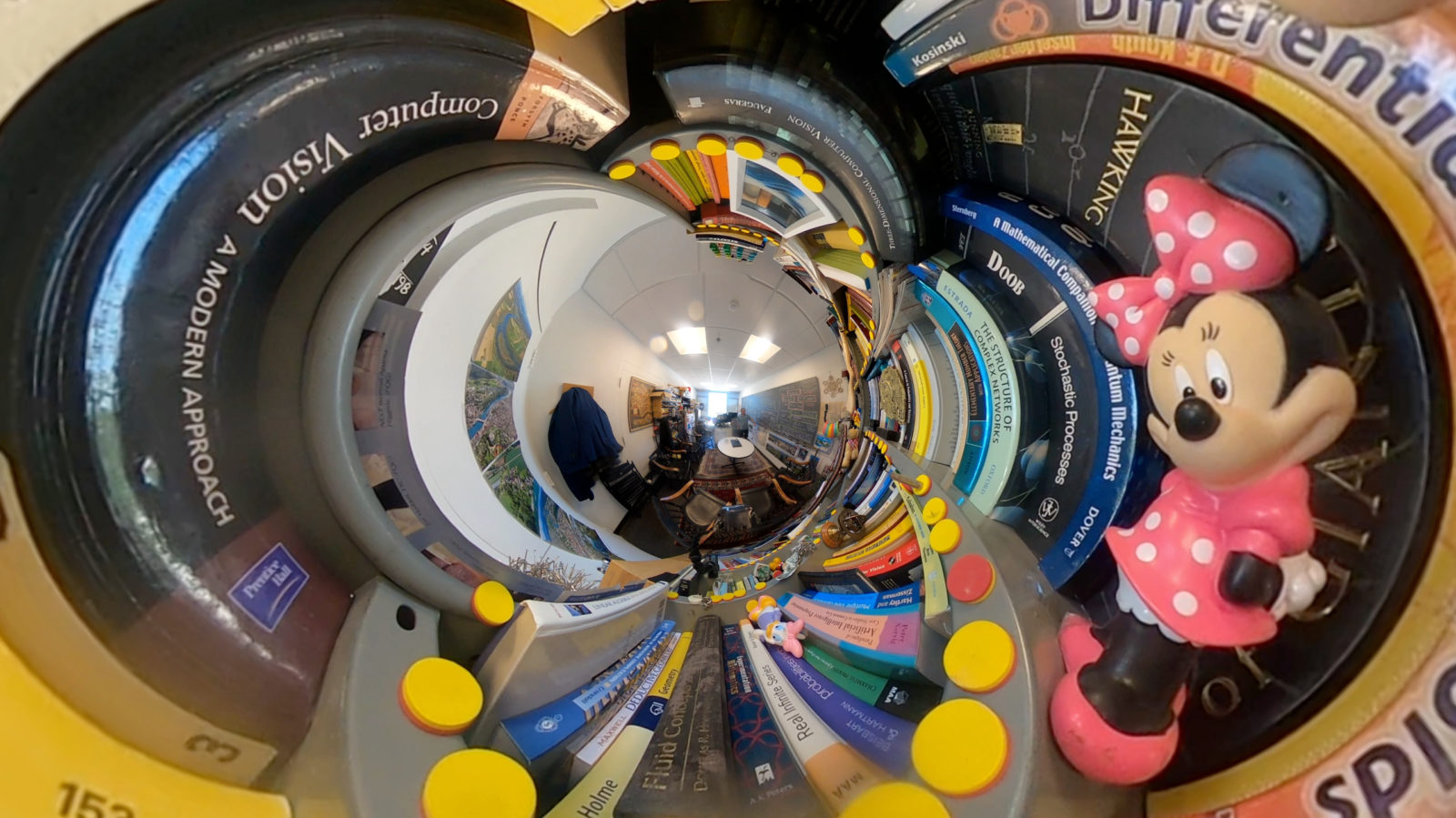
Minney and Goofy puzzled about math 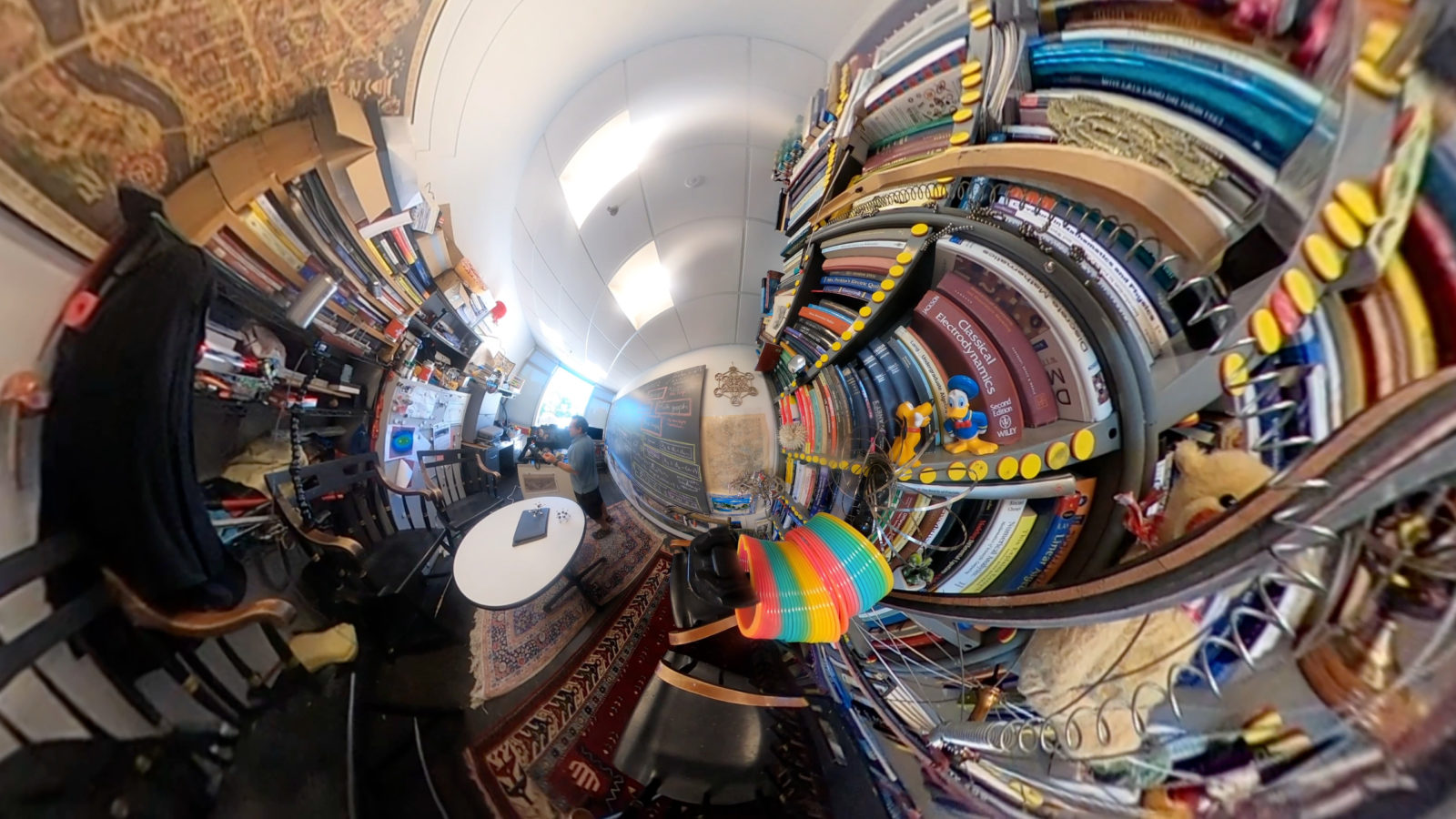
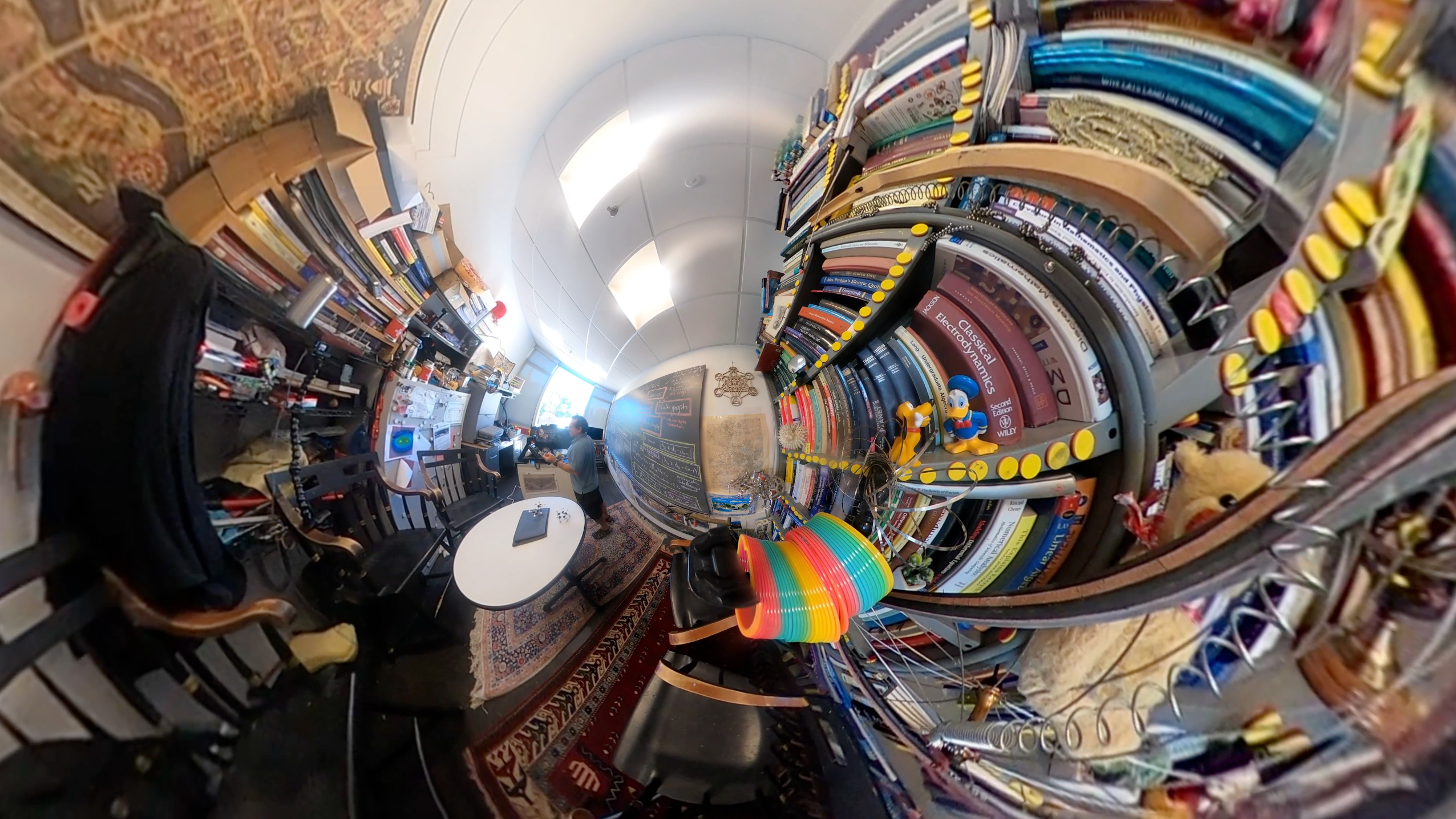
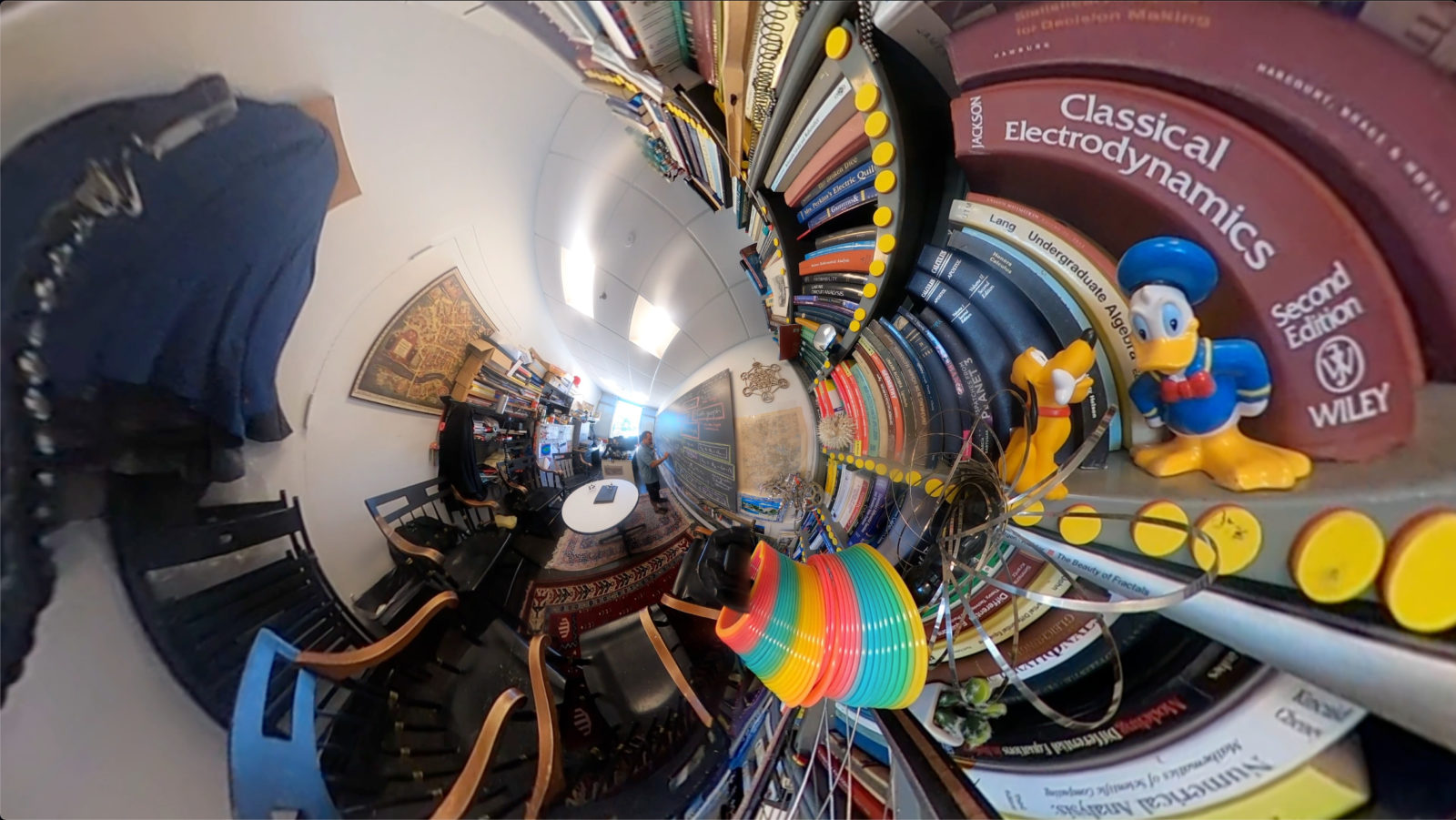
Go Pro Max office shot Oliver’s Office 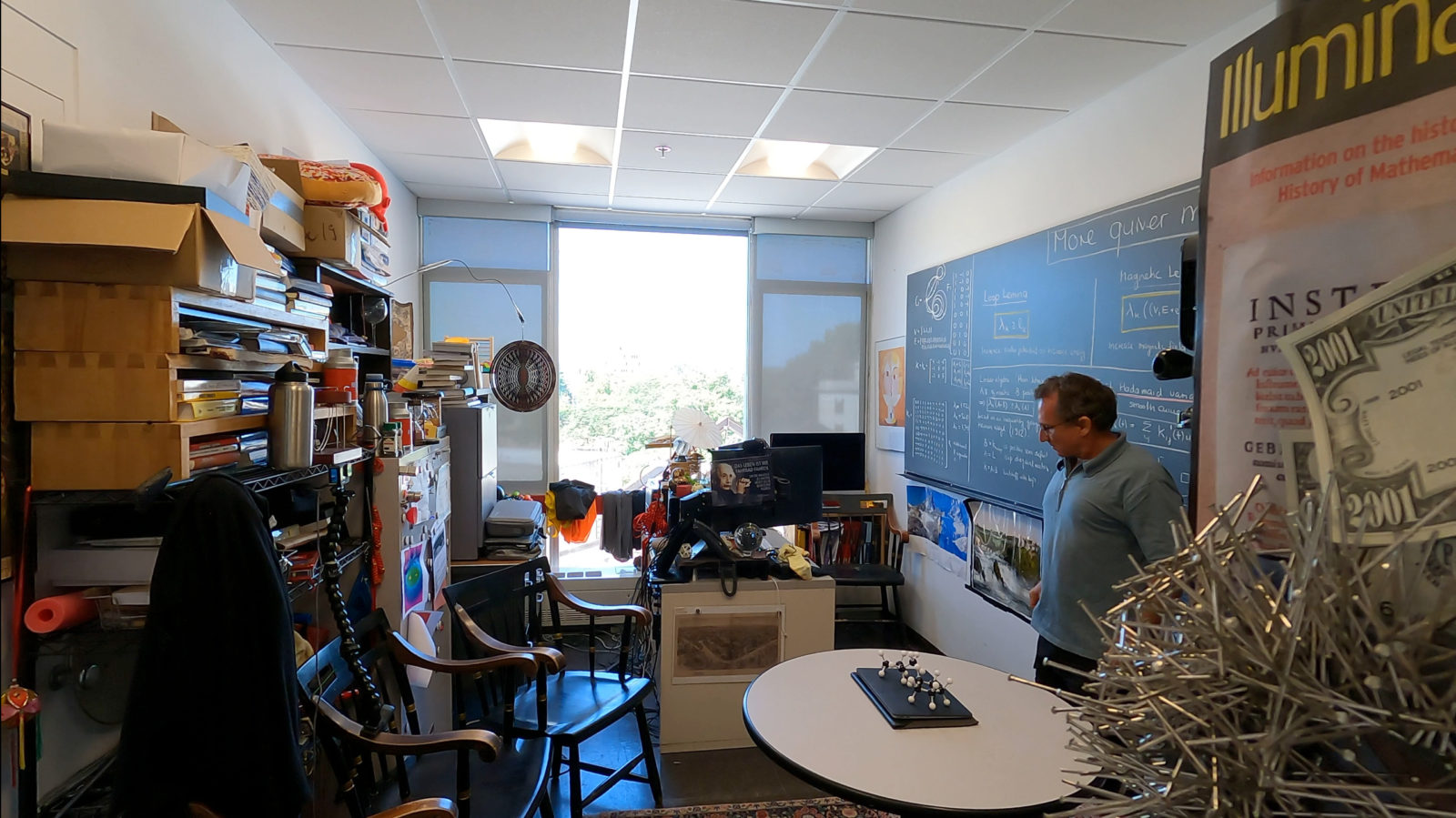
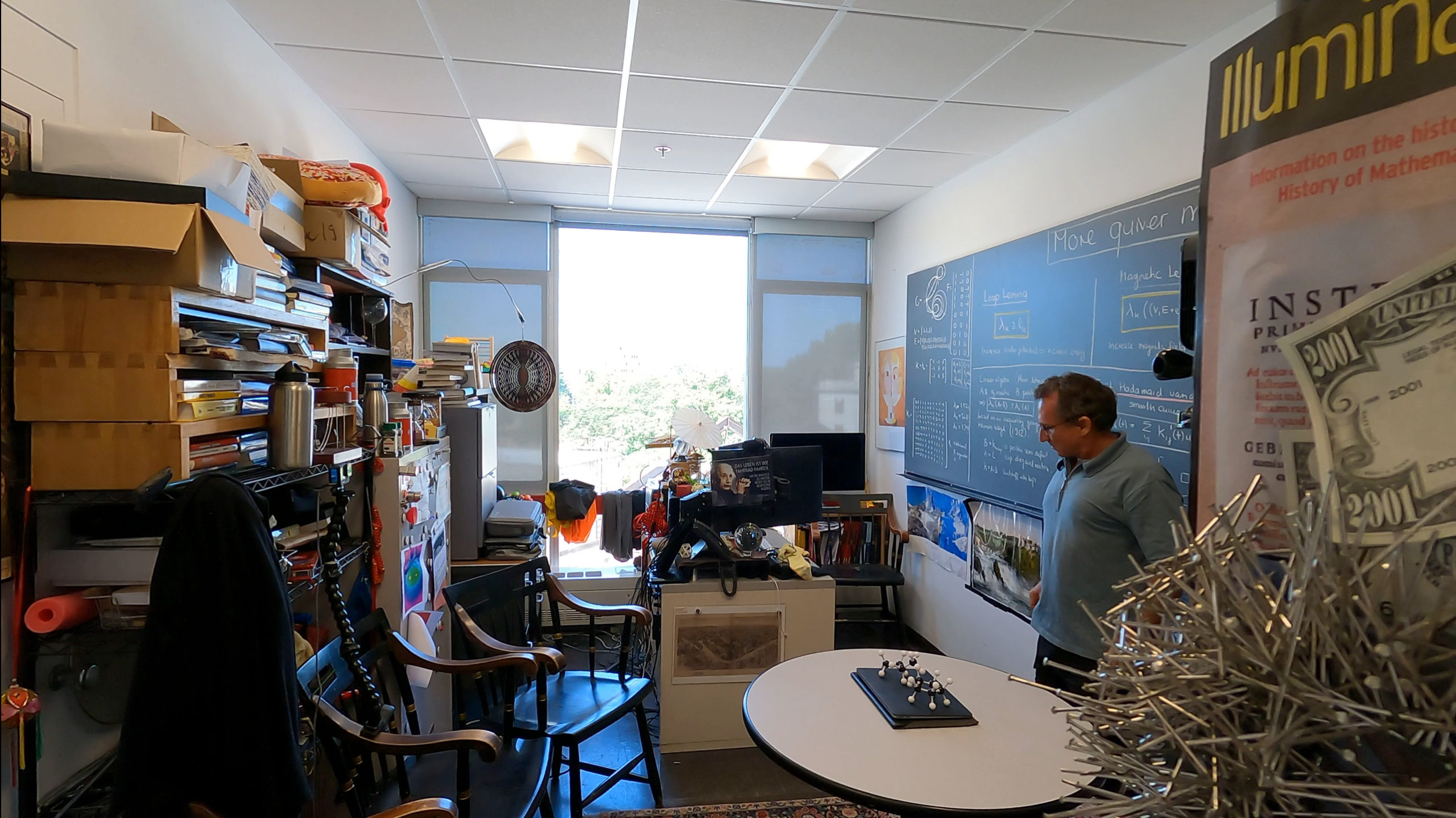
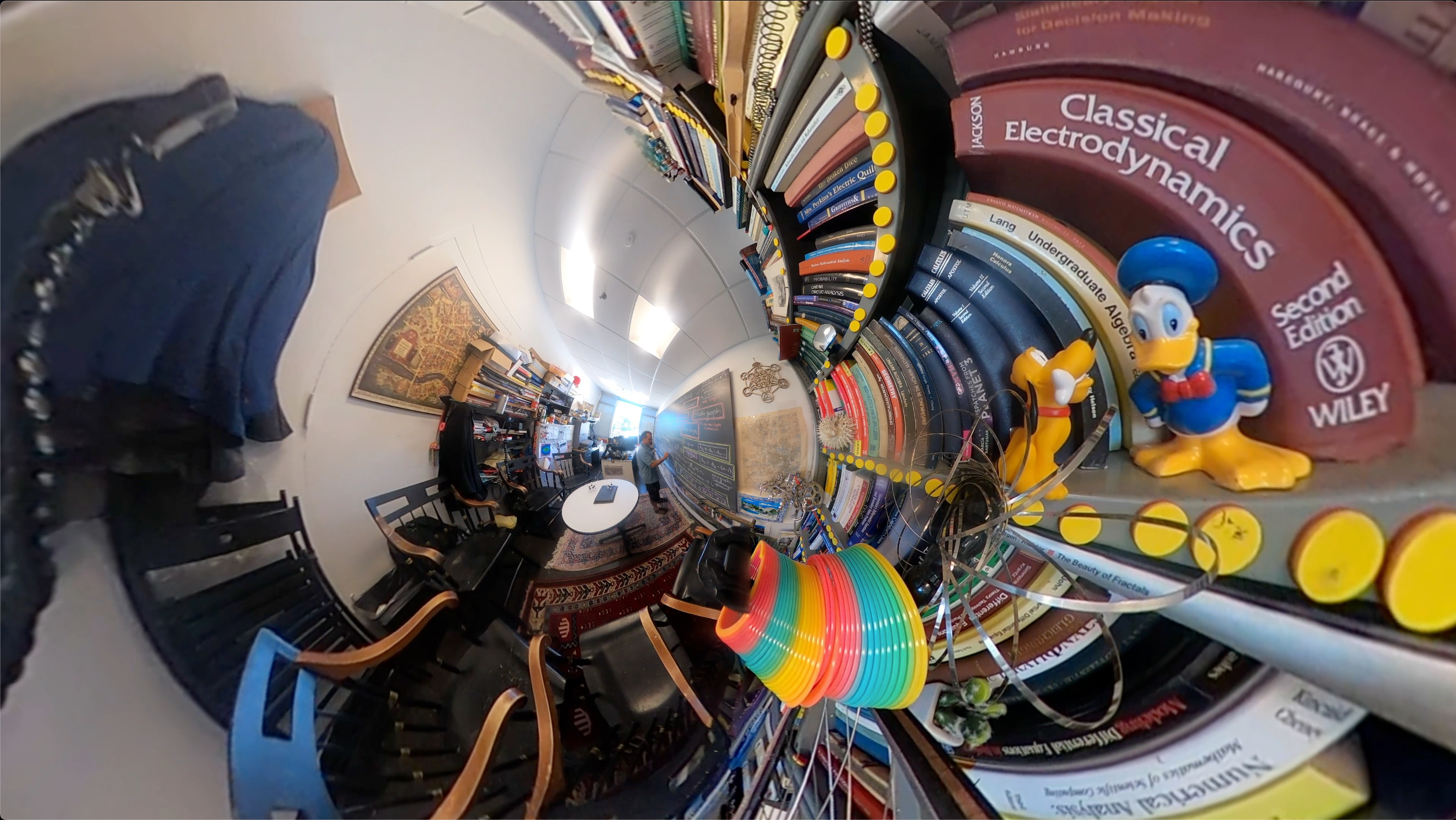
Side shot of my office 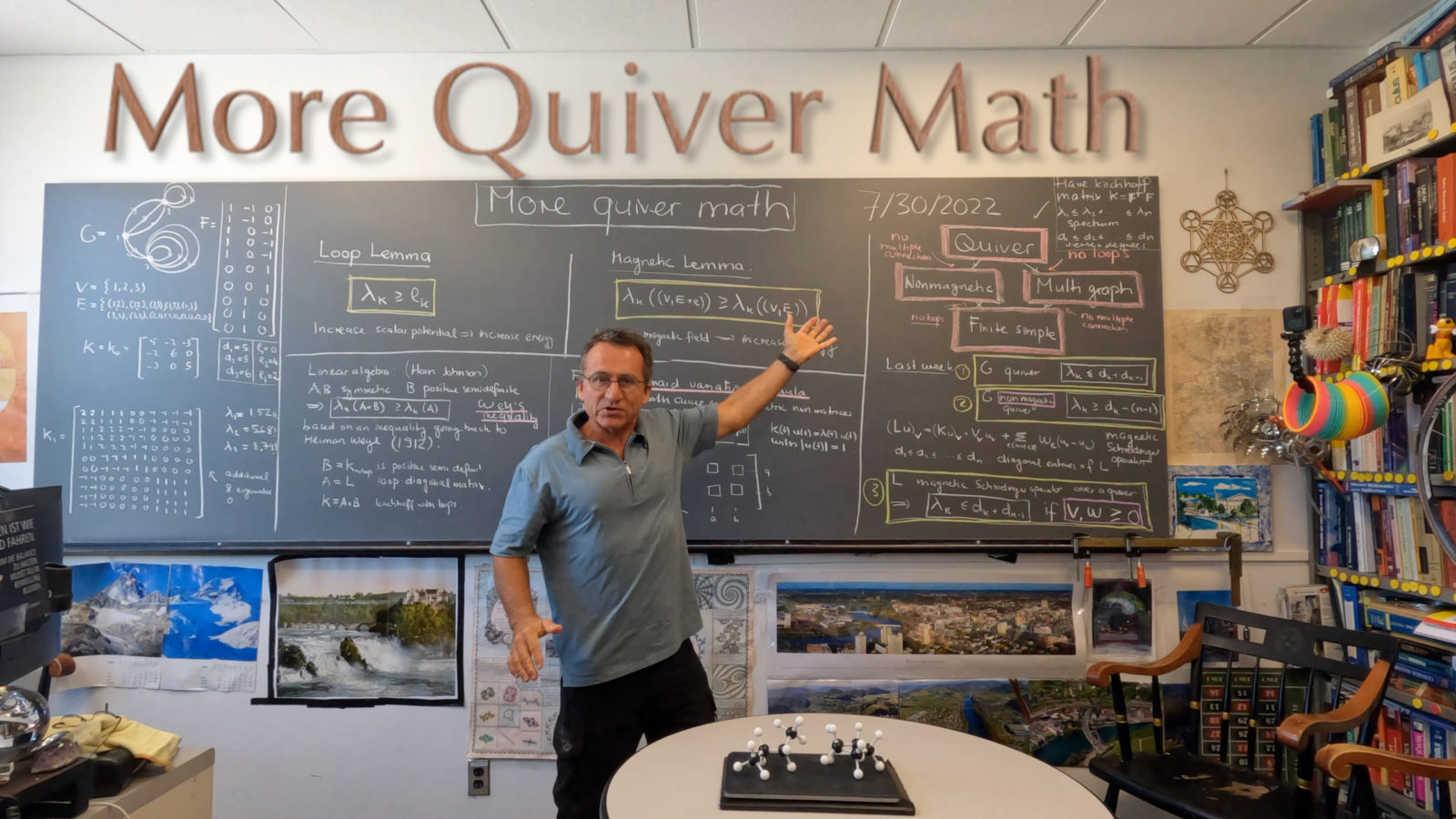
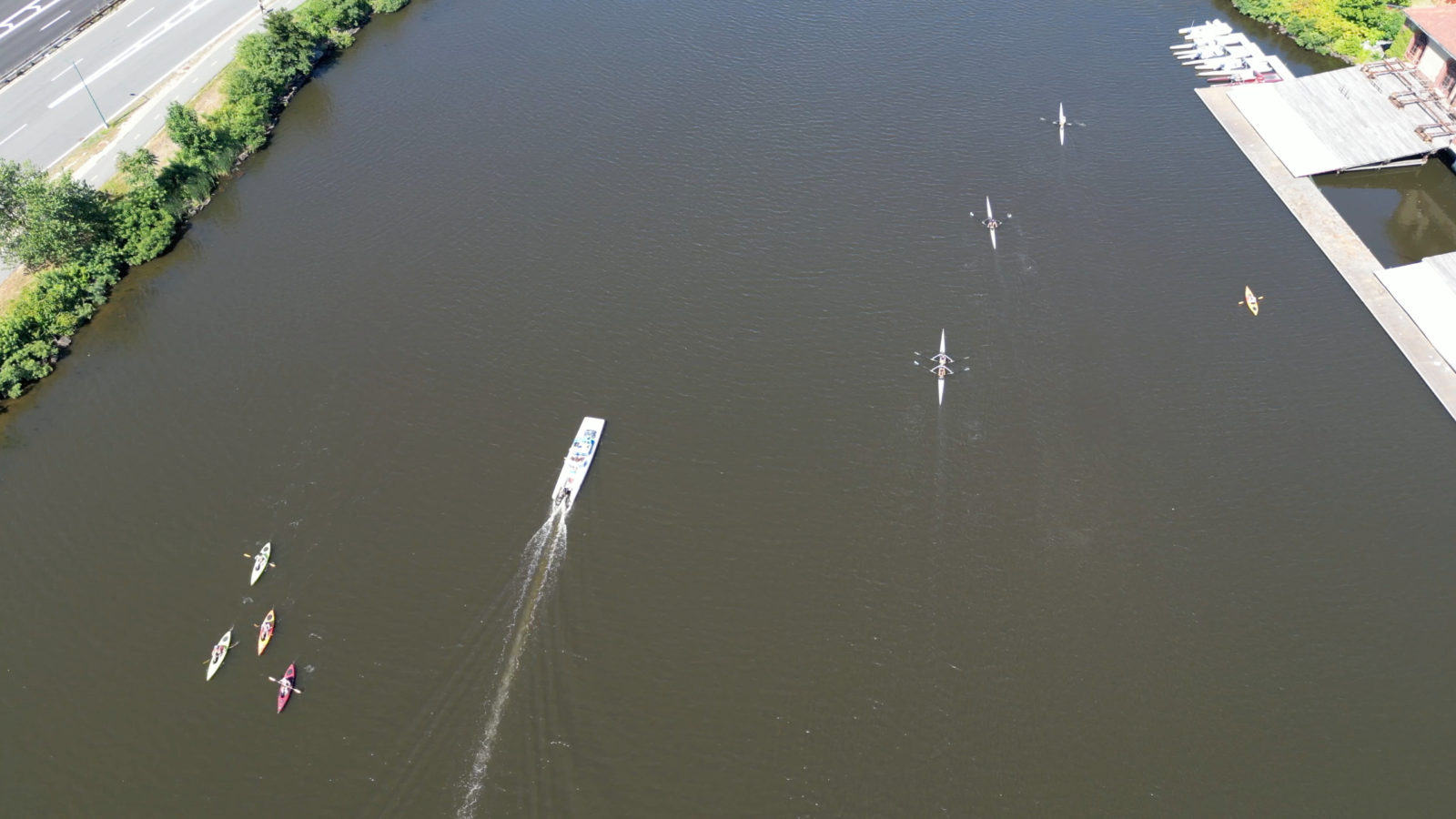
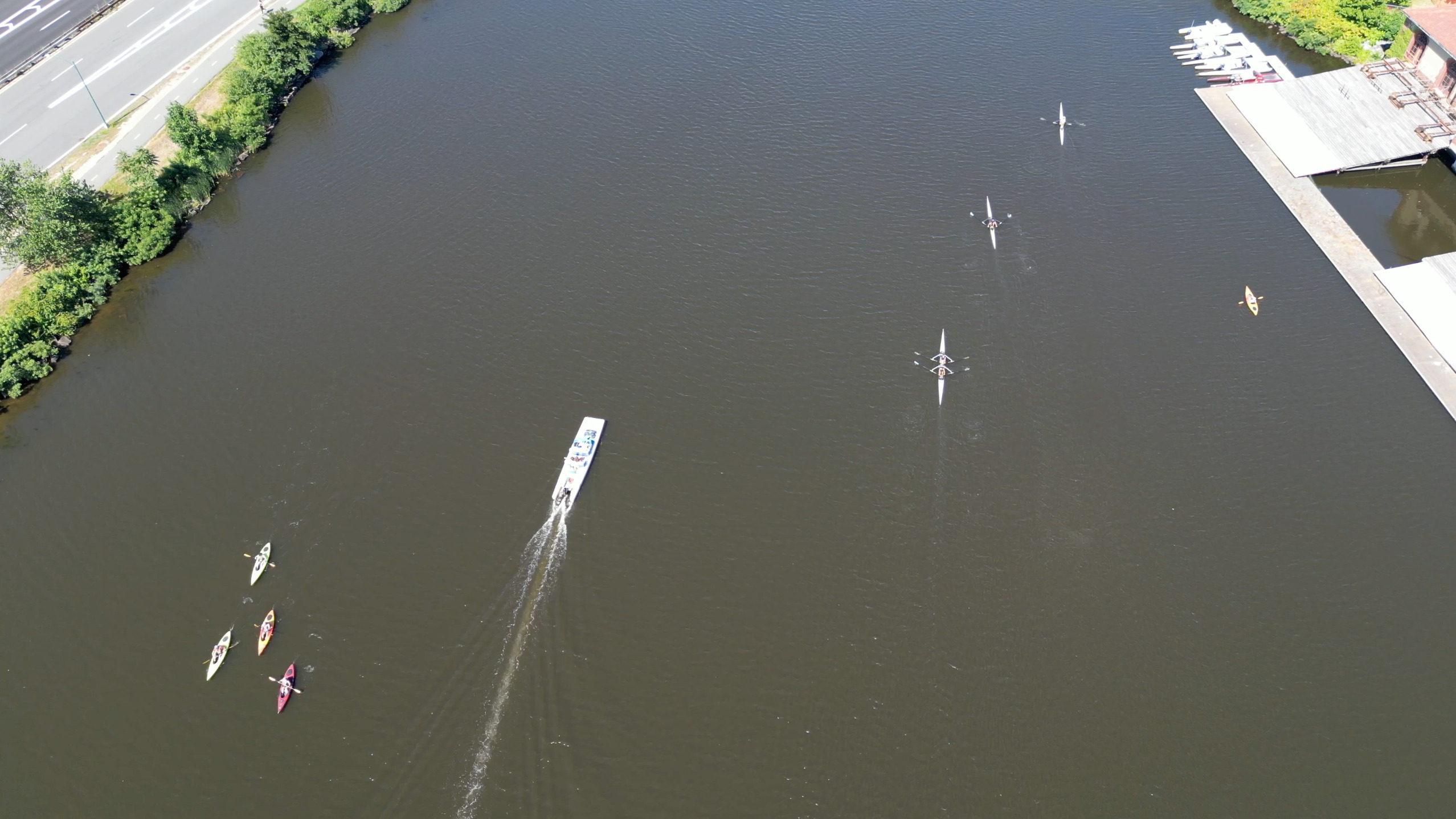
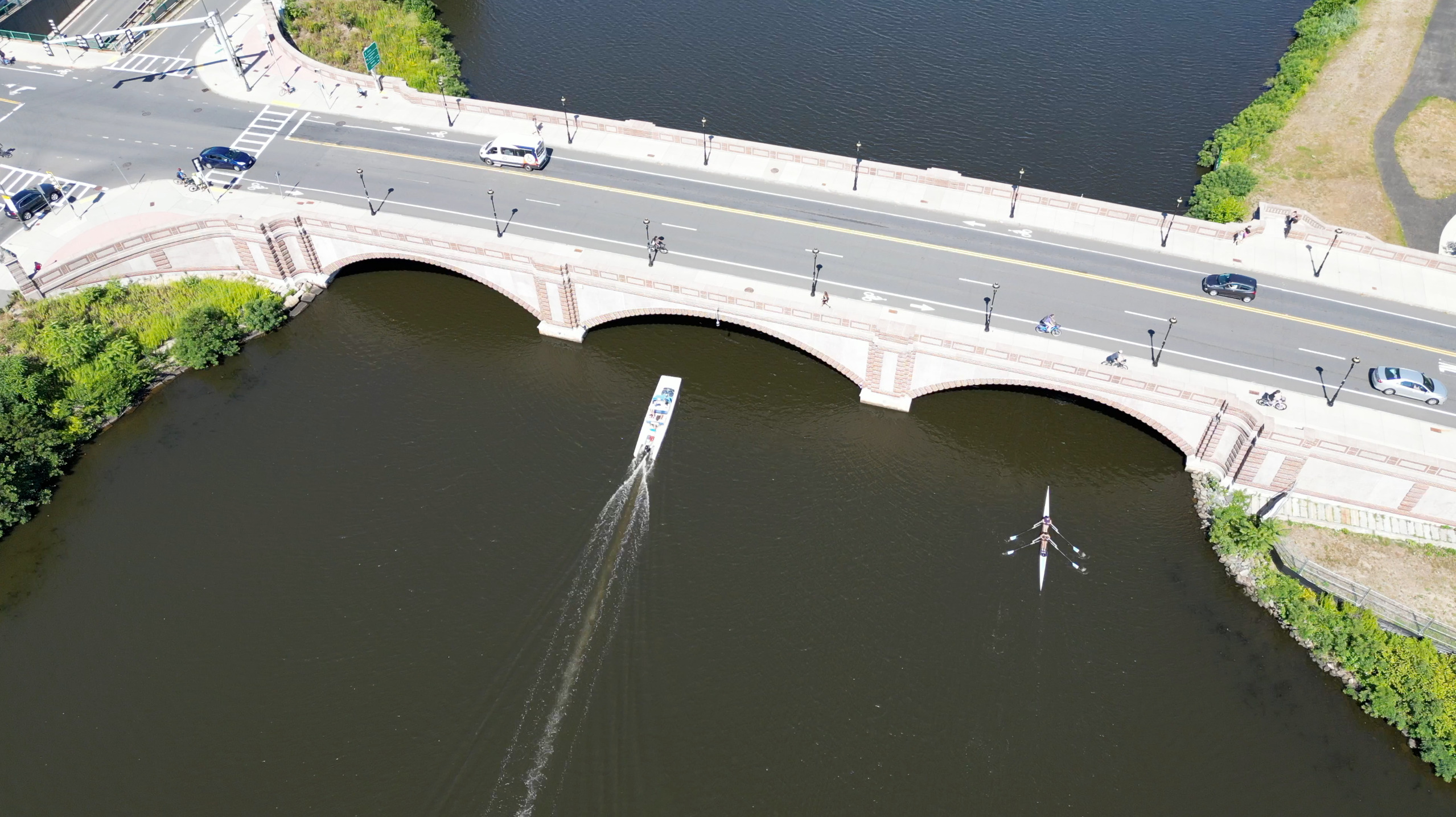
Canoes and Rowing boats on the charles 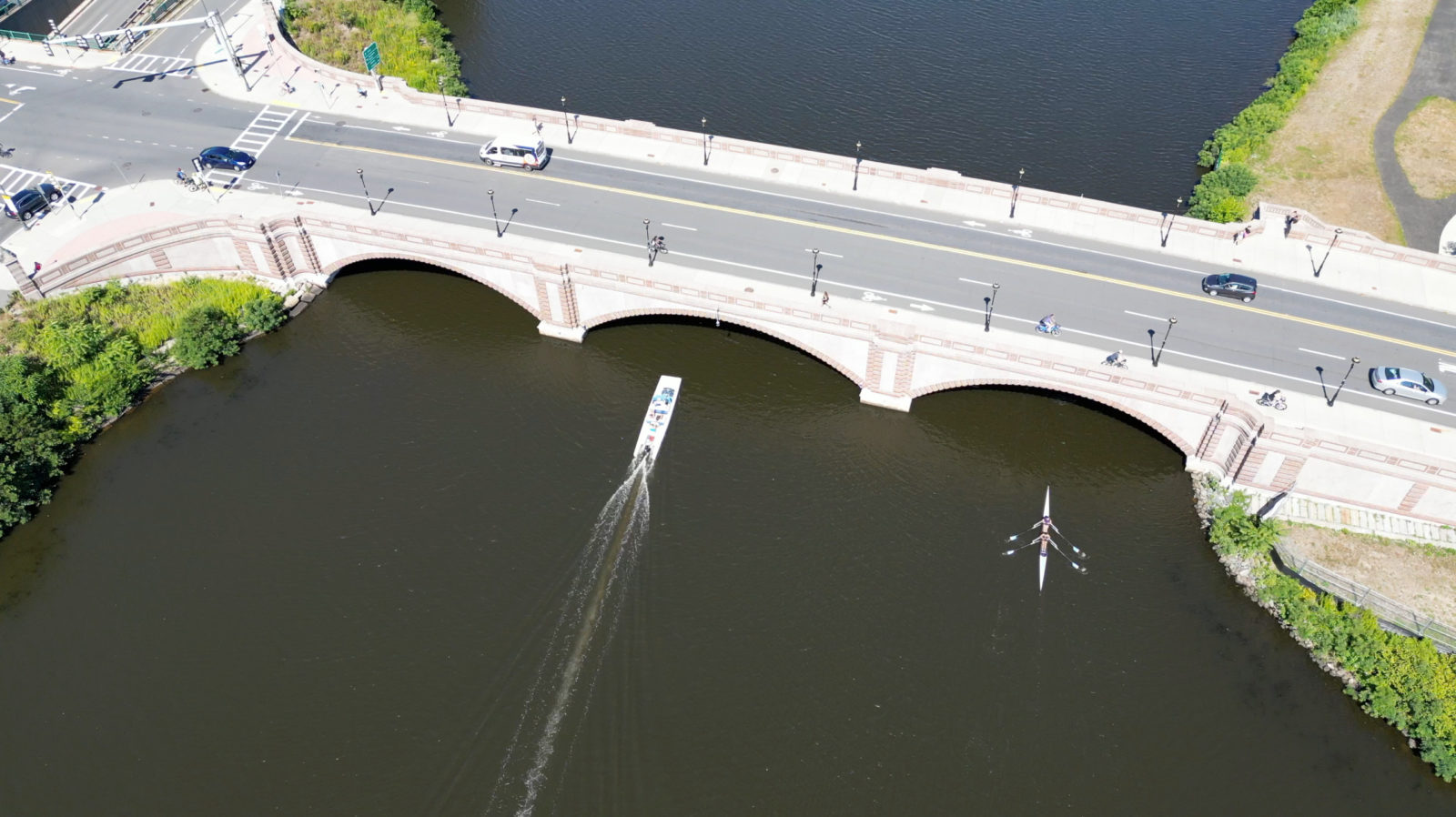
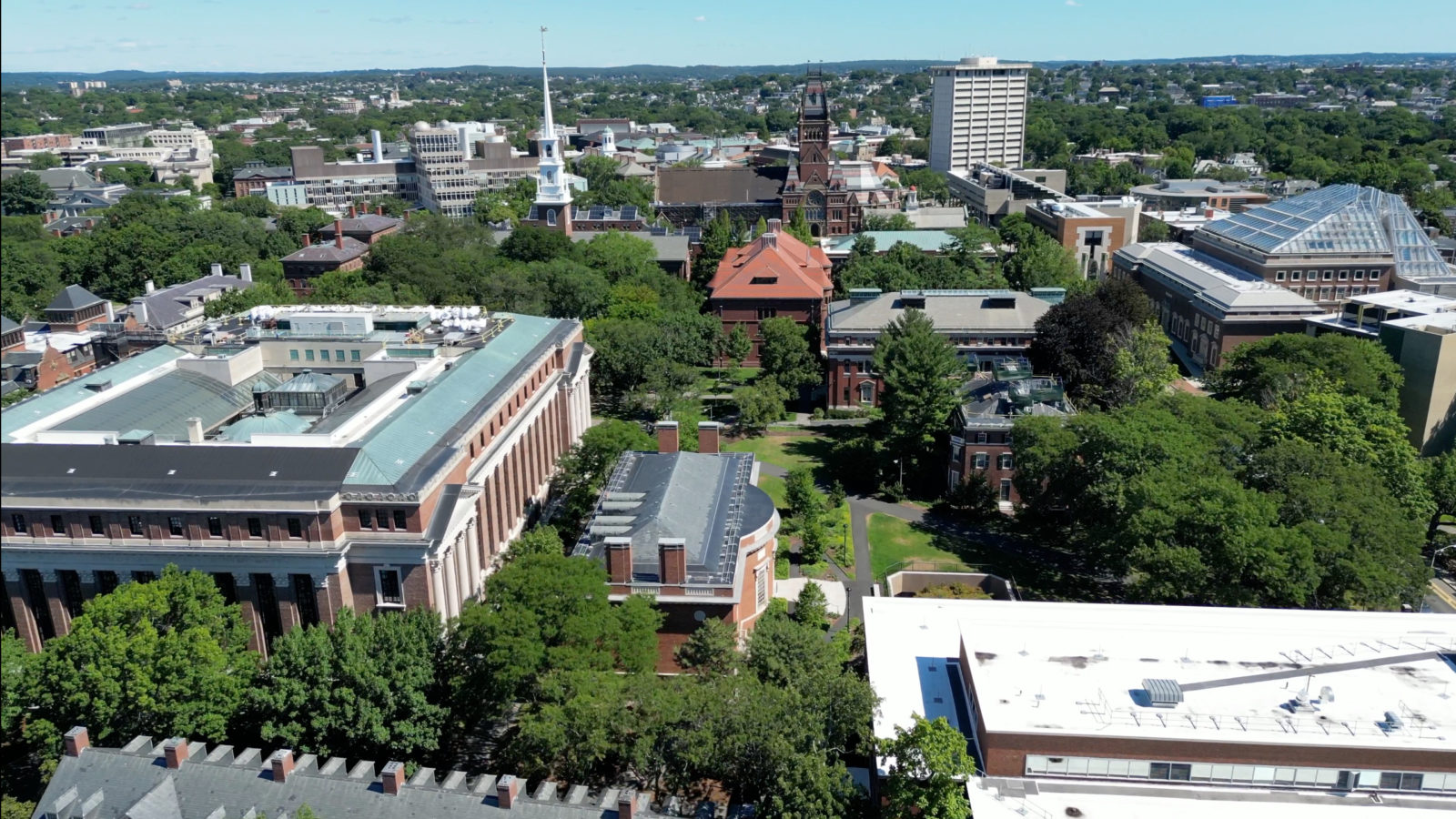
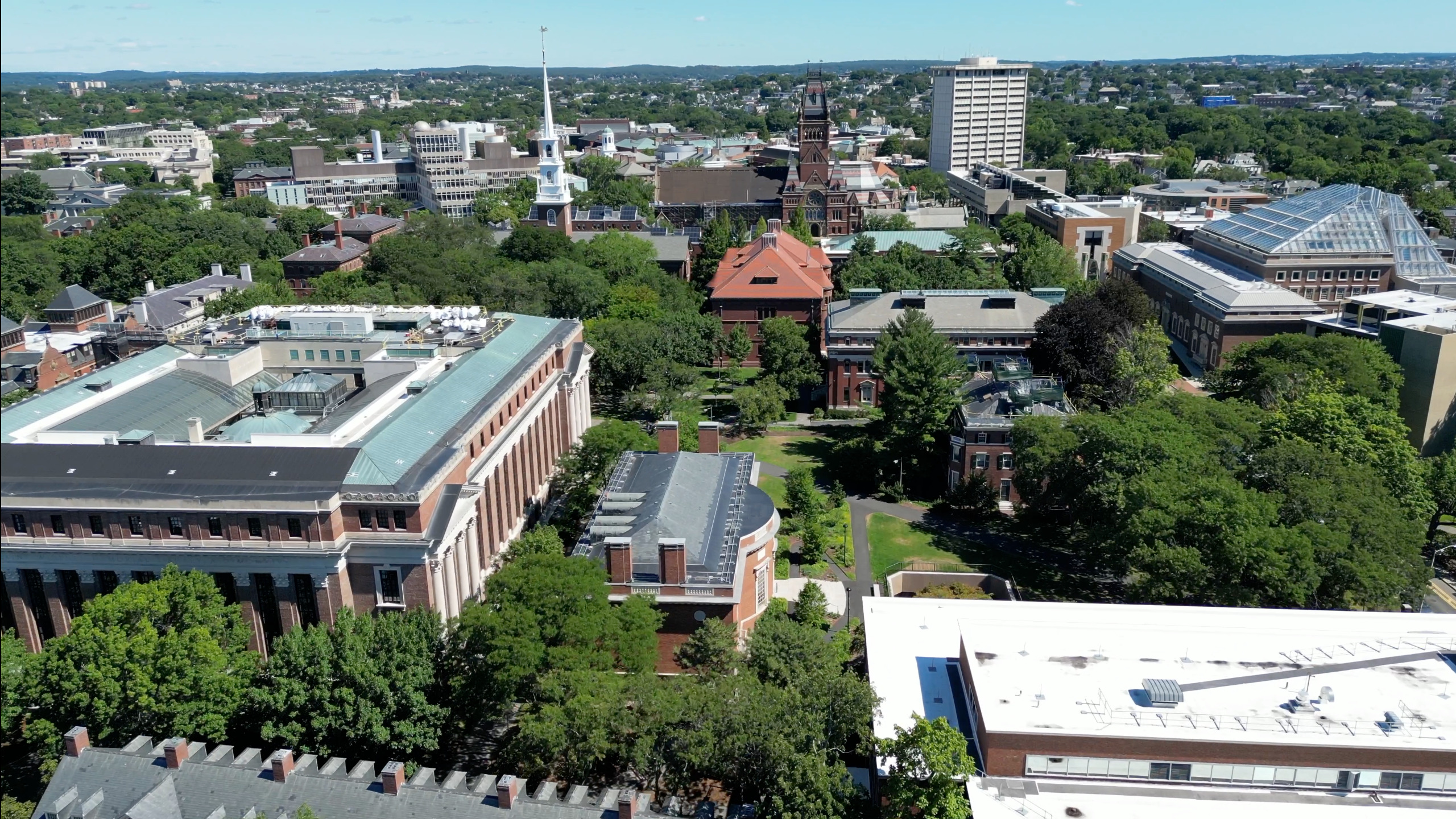
Widner Library and Harvard Yard 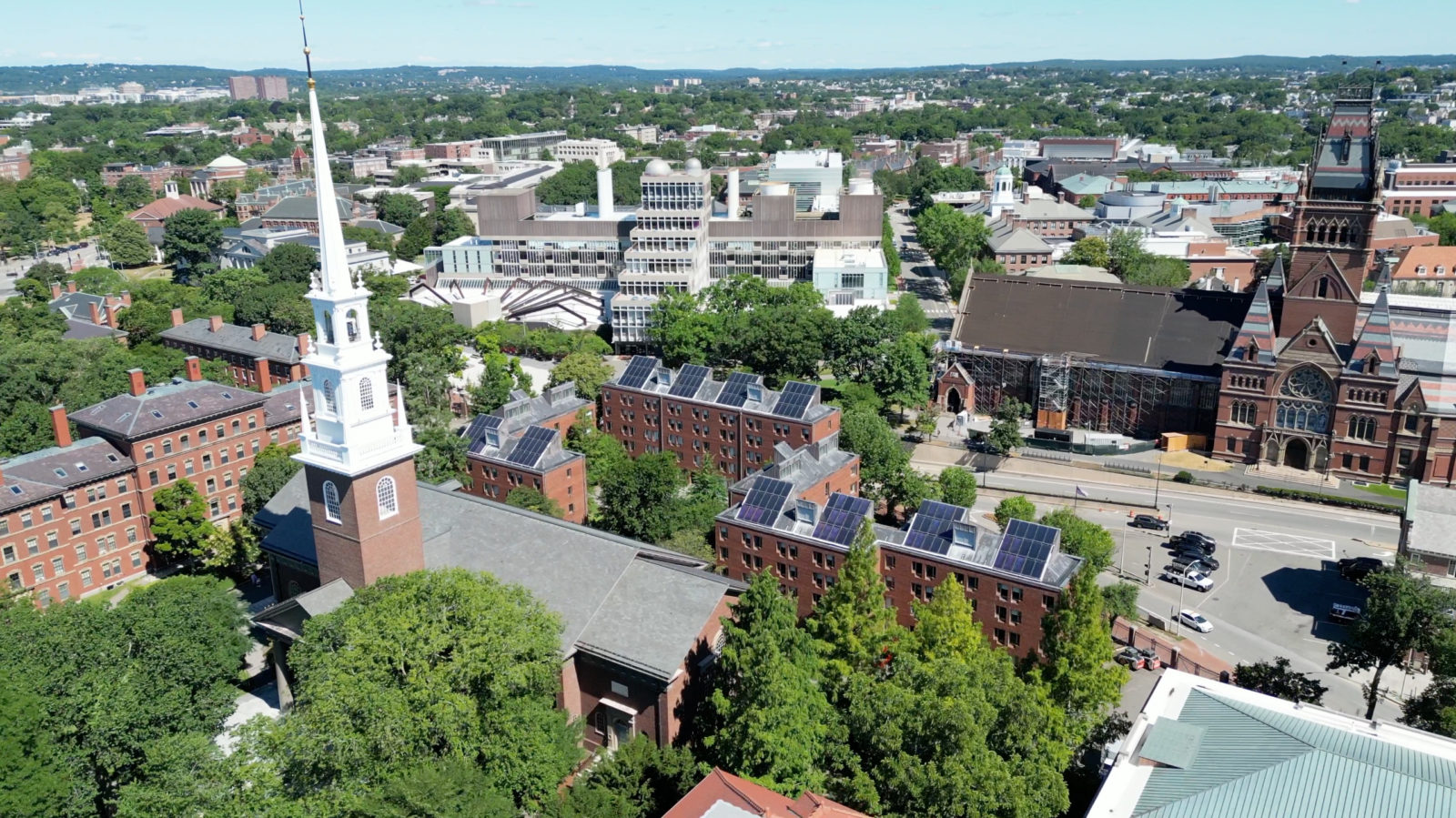
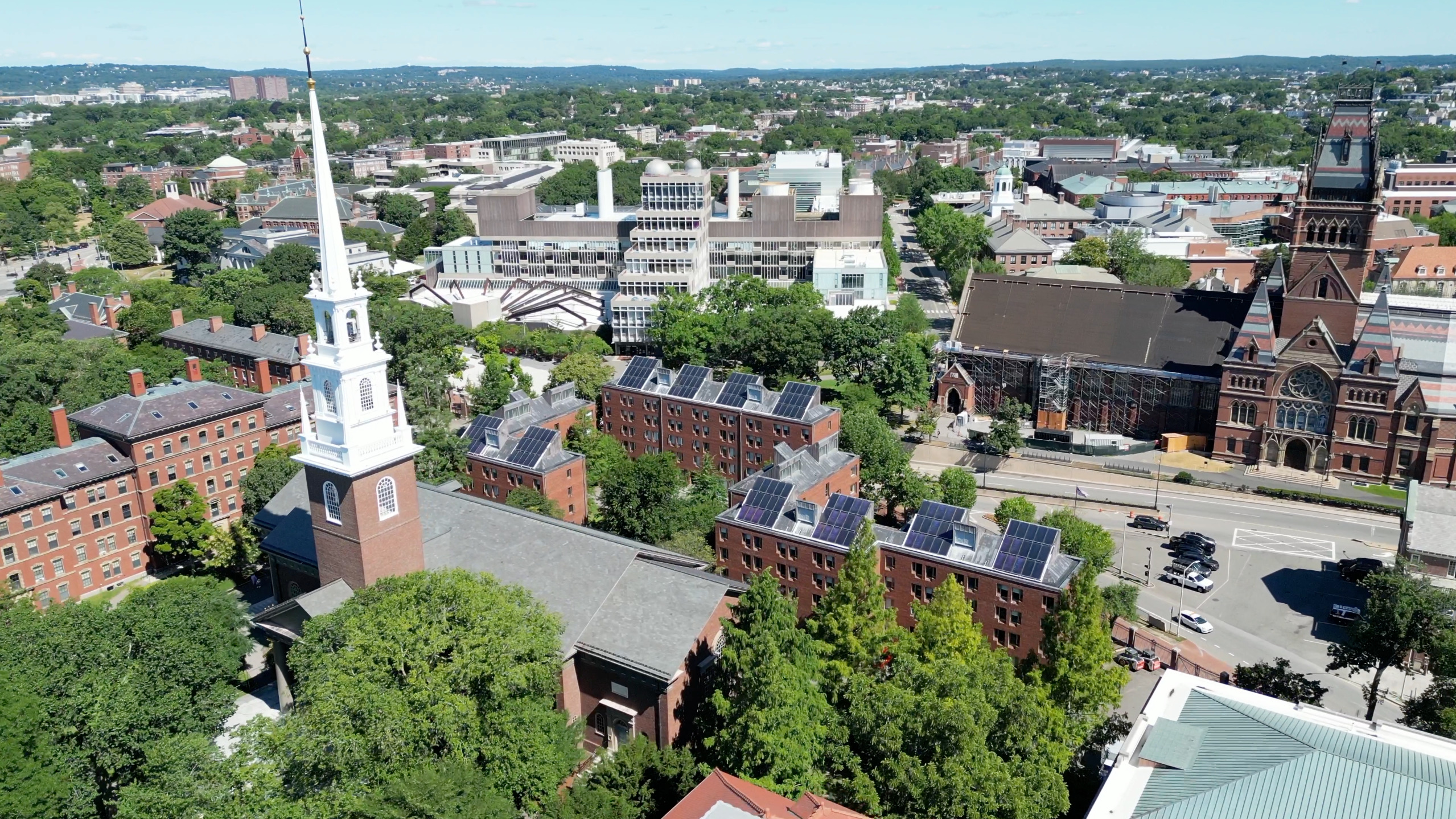
Harvard Yard, Memorial Church and Memorial Hall 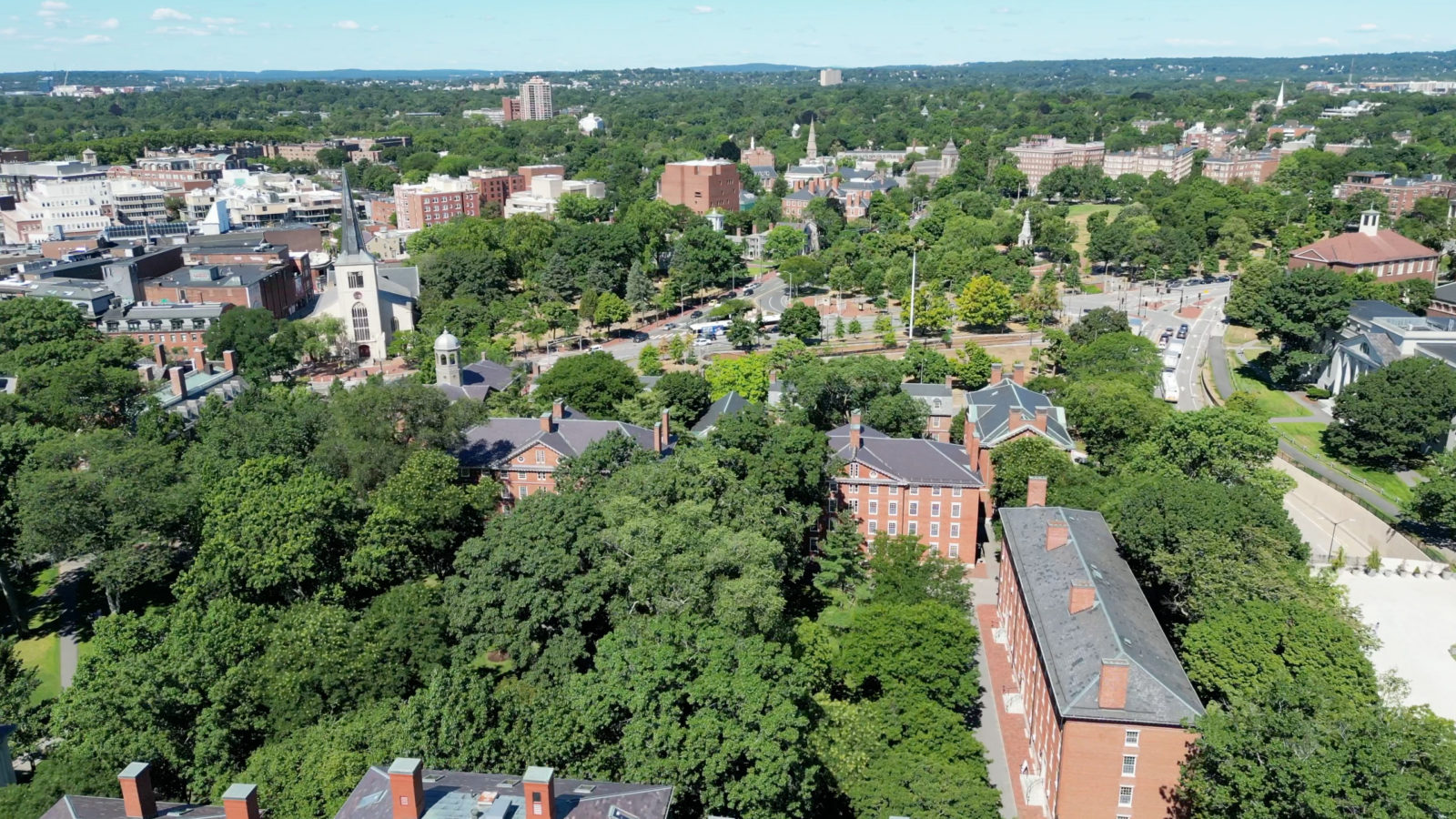
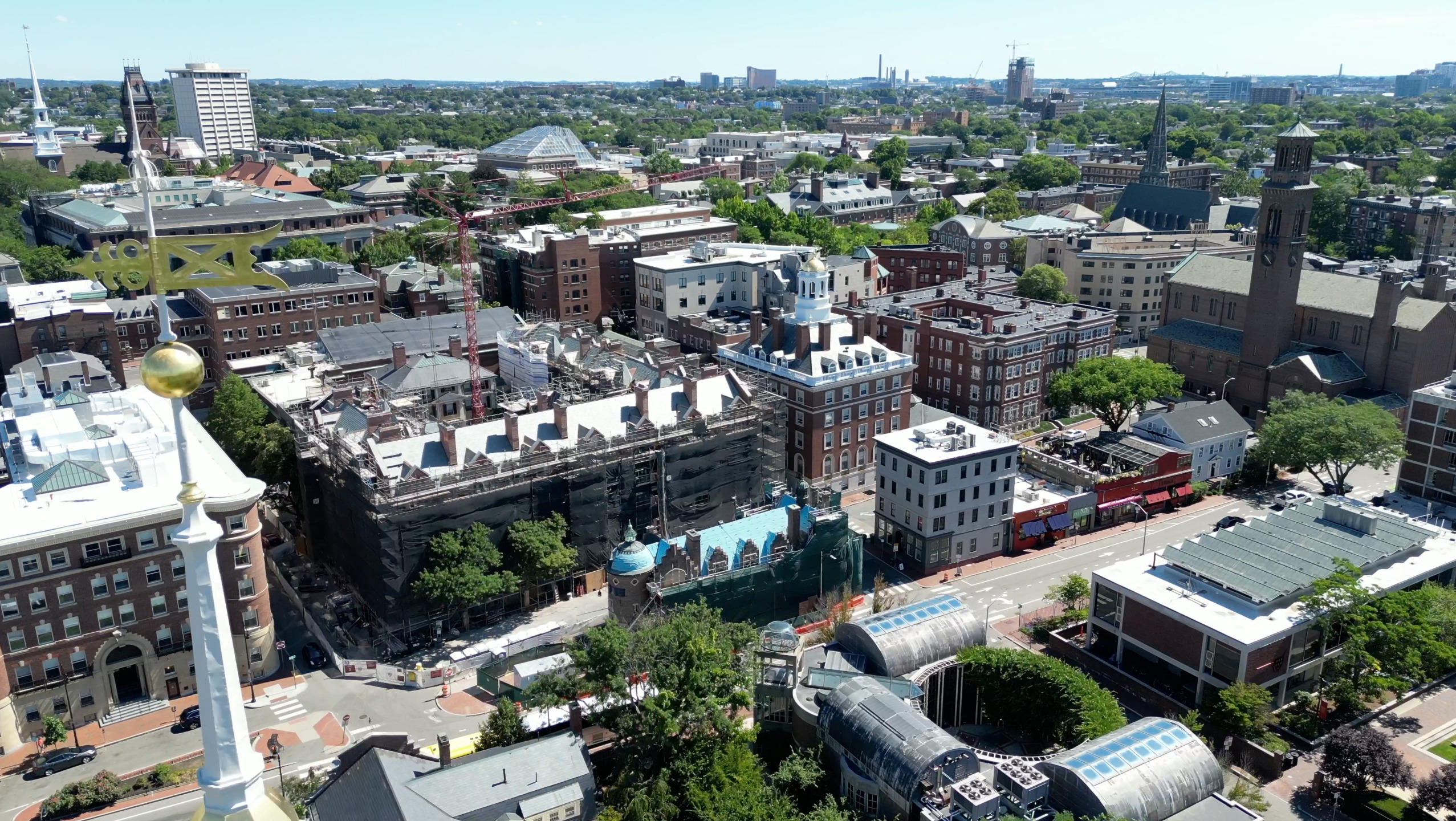
Harvard Yard 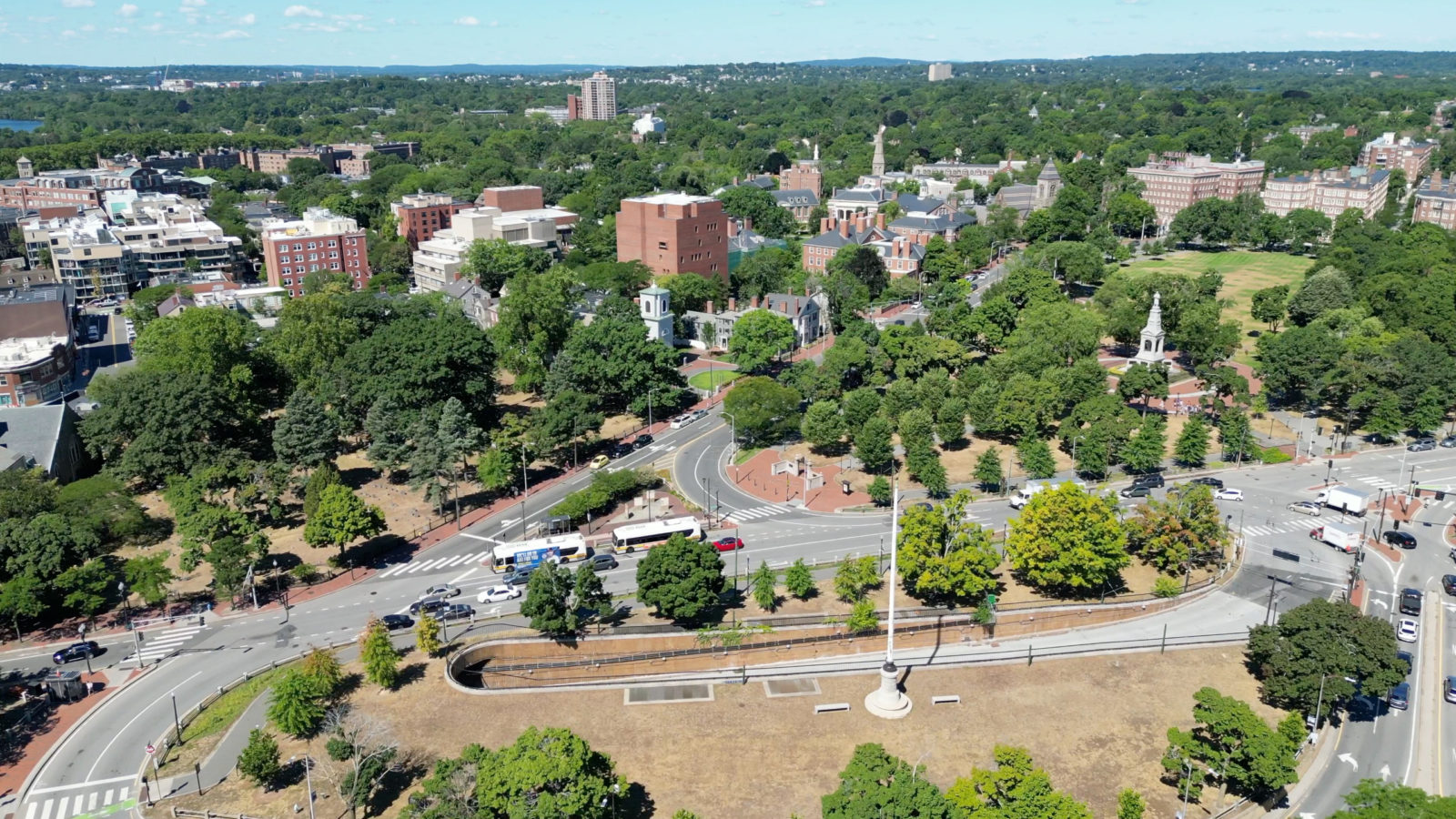
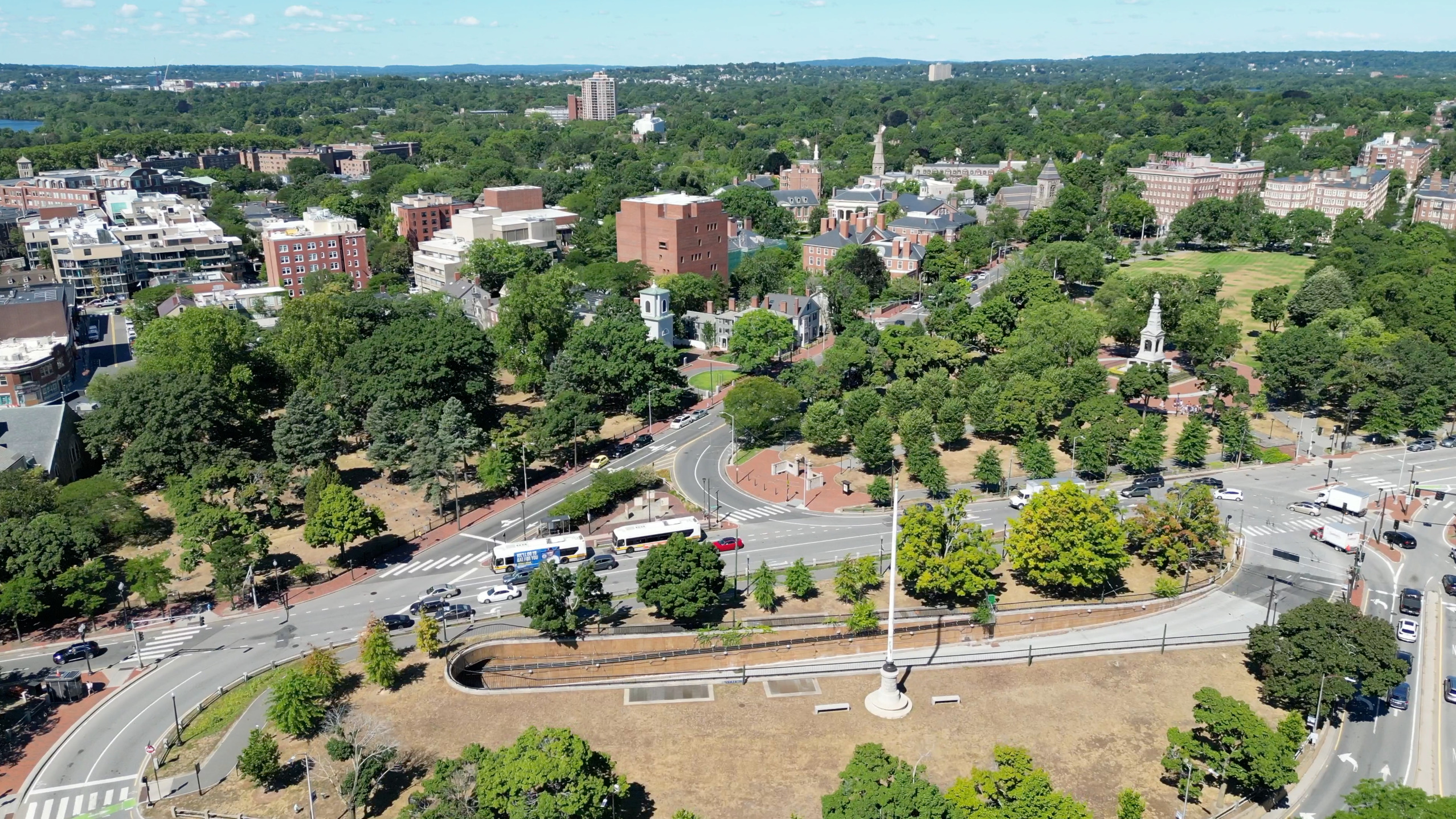
Cambridge Commons