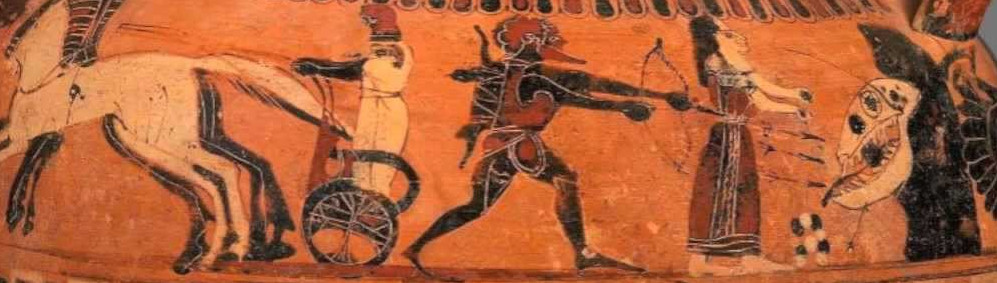
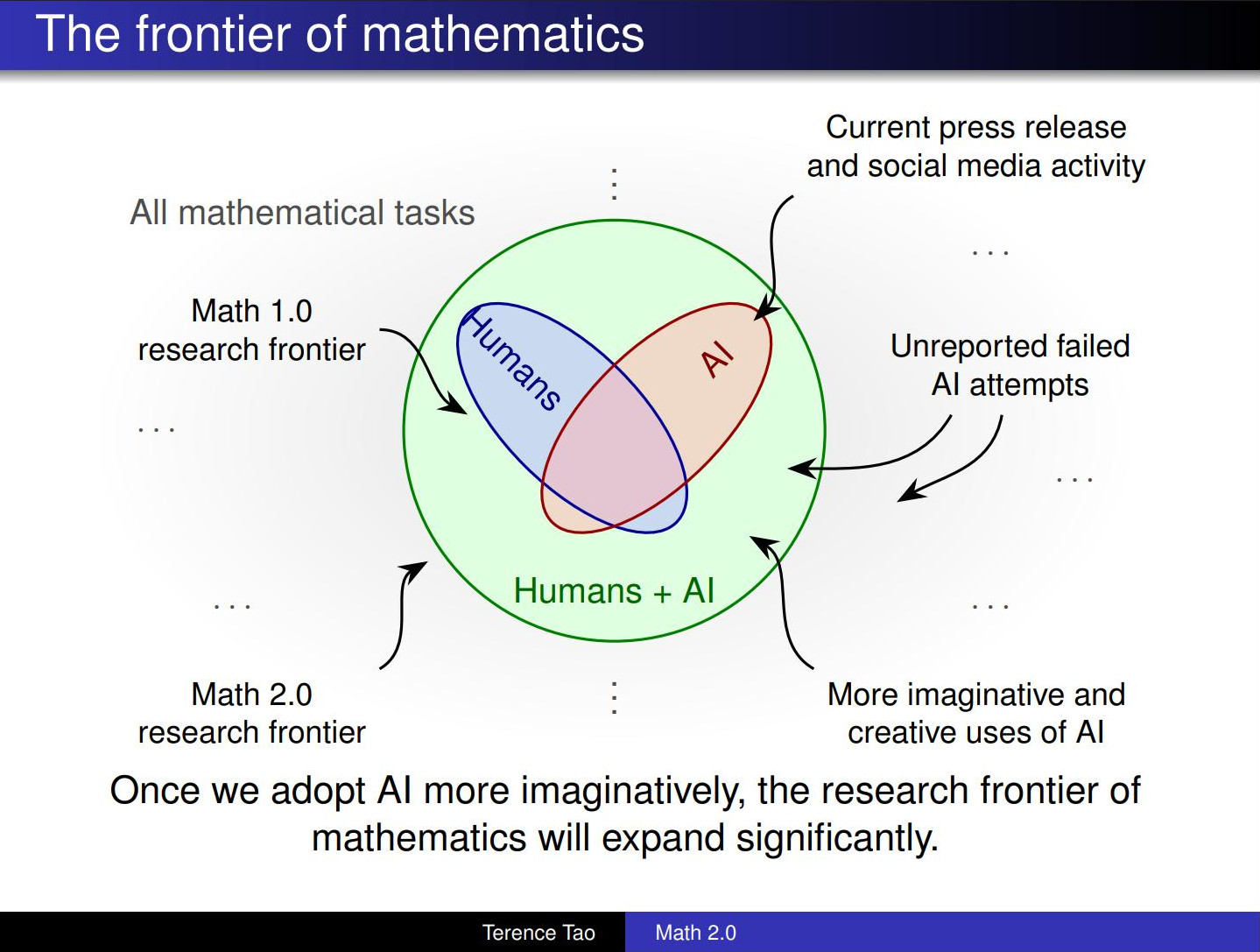
Math 2.0 as Terry Tao has called it, gives at first a rather depressive outlook onto the future of mathematics. There is no doubt that we currently experience an enormous shift in how mathematics will be done. This is not different in other parts of life like engineering, literature or music. The key is that we experience an open world which grows suddenly much faster than before and where huge amount of waste lands are generated by machines. Waste lands will appear, where human thought finds hostile living conditions. This includes mathematical work that is much too complex to be absorbed even with technology. Slide 12 in Tao’s presentation shows a red region that is AI generated math. This waste land will certnainly grow much faster in the future. One of these dump lands are called “hexagon”. Some of it will be absorbed and made habitable by humans. Other parts will develop so fast that we have no chance to follow. What Tao is right about is that there is no shortage of open problems as the supply of open problems in mathematics is infinite. The crucial question will be what the role of humans will be in this and whether humans still care about mathematical problems at all.
I myself still see some hope as mathematics is an open world, without limits. There is an infinite supply of problems and problems one can look at (a point which has been made by Tao also but which is obvious). When comparing with games, it is an open world that is constantly growing. This happens in some computer games too. I’m not much a gamer but like open world games where one does not have to complete tasks but can learn and explore like Assassin Creed. There are other games that feature open world options, the most famous probably being Minecraft, in which player can expand the game. Gaming can be a metaphor, especially as in many games, there are also NPC’s roaming the world. These are now the AIs. The metaphor stops however, when NPC’s suddenly can become so powerful that they can build a multiple times faster new worlds than humans can. Maybe this is good, as we can then explore larger worlds. But it can also break the “frontier spirit” the enterprise spirit “where no man has gone before”. I myself like to work on a mathematical problem, where no solution exists already. Yes, it is also fine to solve puzzles which other people have given and where we can look up the solution but it is much less exciting. You are downgraded to a “tourist” and not an “explorer” any more. That is fine for many, but will it be still fun? We still play chess even so humans have no chance to win against a machine.
In any case, the slide 12 of Tao displayed above titled “Frontier of mathematics” could be much a too optimistic picture. The red AI part as well as the green Humans + AI part will grow much, much faster. The blue Humans part might stay just very tiny and disappear in time completely if one looks at the ratio of what is understood by humans and what is known by machines. We have to wait and see but remember that a few years ago, the best AI experts predicted that maybe in 2050, one will see the first papers written by AI. A Kurzweil type singularity has reached us much faster than anticipated. Even last summer, a summit on AI has downplayed the danger of AI taking over in research. How much has changed in a few weeks. I myself was not yet worried at the beginning of the summer. But then came one by one solutions to respectible problems like the Jacobian conjecture, and that exploded exponentially, culminating first with the solution of a Millenium problem and then, much, much more brutal, a pile of a few hundred papers which solve more “down to earth” problems. I was not so sad bout the Navier stokes part. It was a technical area. I’m sad about problems on billiards for example.
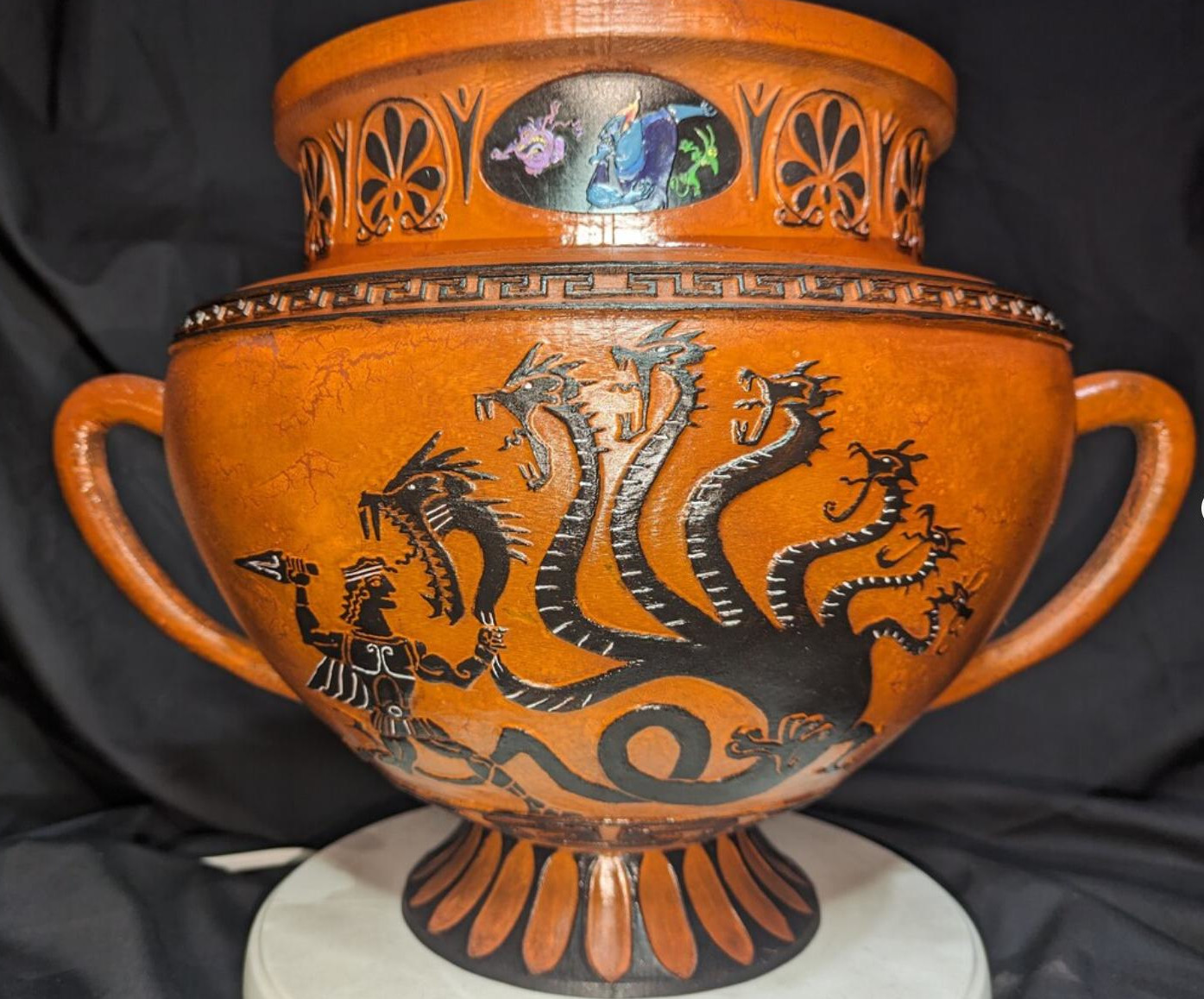
An other argument is that AI is overall good for progress. A bit Hilbert’s 1930 expression “Wir muessen wissen. Wir werden wissen” = “We must know. We will know”. The argument is that knowing things will help us to solve problems, like getting us out from earth to space or battle cancer. A substancial danger however is, that the slogan will turn to a much more depressive “ignoramus et Ignorabimus” = “We do not know and we will not know” of Emil du Bois-Reymond which could evn morph to a nihilistic “We do no more want to know and we don’t care any more”. The reason is that the power of machine thinking will make us lazy and make us believe that we do not have to learn anything any more. We might retreat to some esoteric areas, stop doing science and stop thinking becoming dependent on bots summarizing or just simply tell us what to do. As for now, I find consolidation in the fact that it could be also exciting to see how these new “waste lands” that appear (like the dump of October 6th last week) can be turned into something exciting for humans. At the moment I do not see a problem as mathematical problems are a bit like a Hydra: you cut down one head and 10 more heads appear. The supply of open problems is infinite. The question is whether we will still find it interesting to see all these automatic dragon slayers do their work, while we just are reduced to watch them. This is not an esoteric question, because ultimativly, scientists are not payed for just watching stuff. They need to produce something valuable. In the dragon metaphor, we will still have to show that we can slay dragons. Like Hercules on that old Greek vase from 500 BC. And new dragons will appear for certain. Even some who are NPC’s.