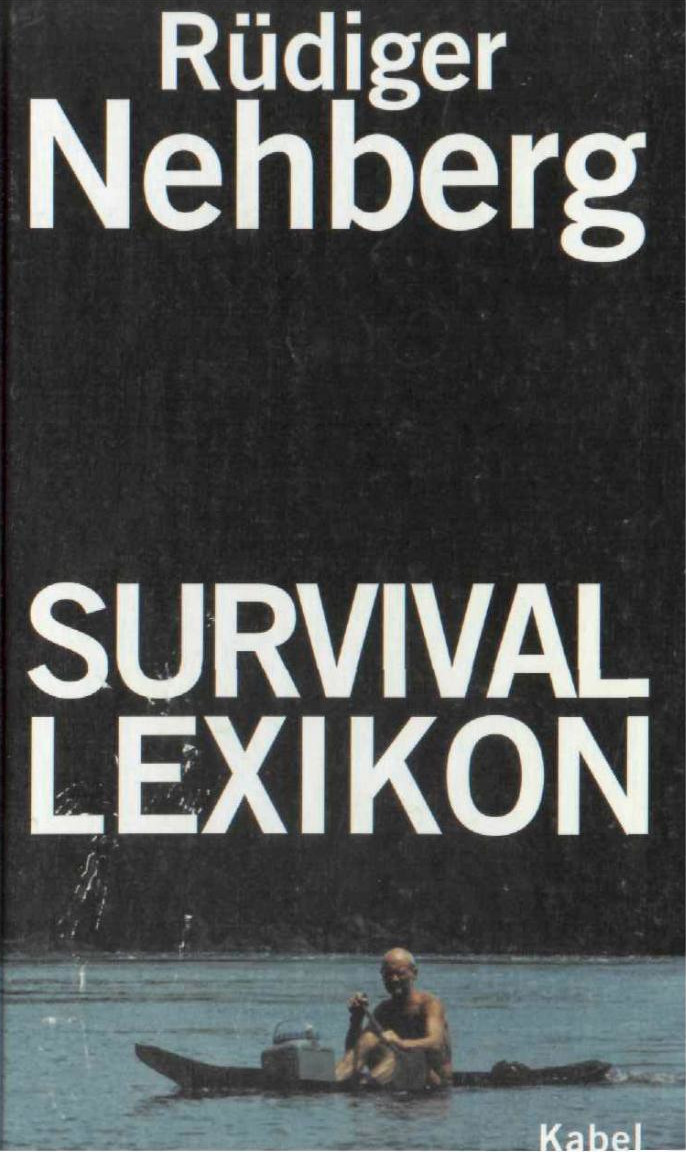


When we were teenagers, we were huge fans of Ruediger Nehberg. It is fascinating to have knowledge to survive outside without any technical tools. It is an art and Nehberg demonstrated such skill not only theoretically but also during his own adventures. Knowing some basic skills is still recommendable today, for example, if you go on a trip or in the case when technology fails.
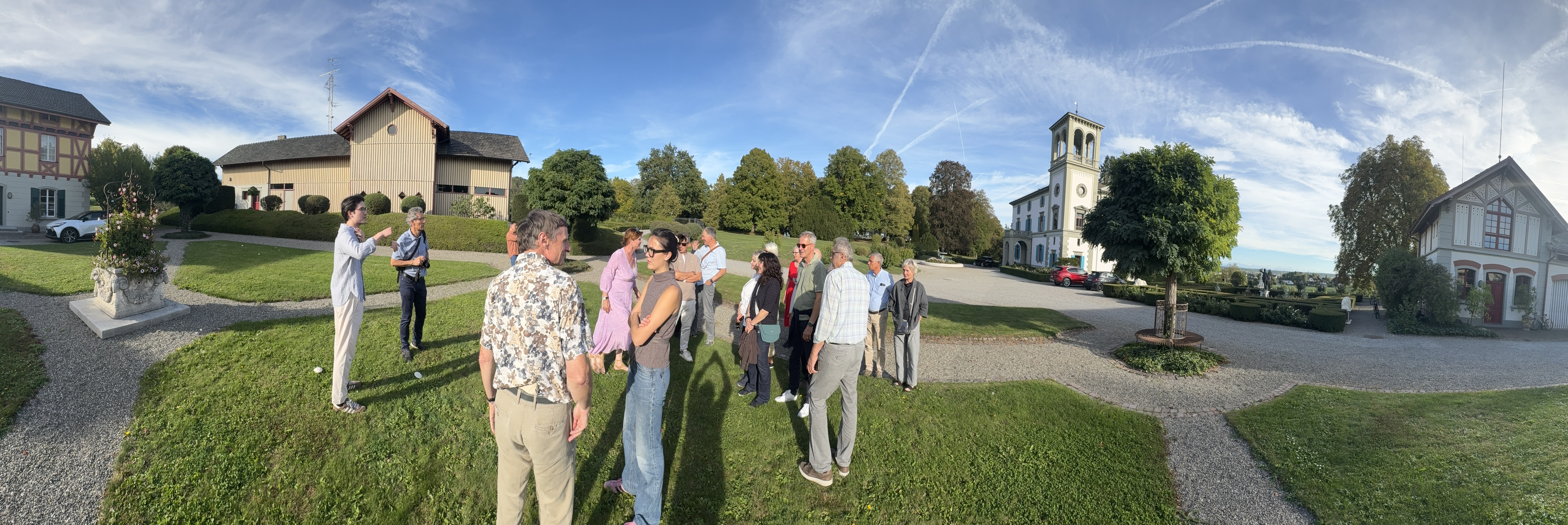
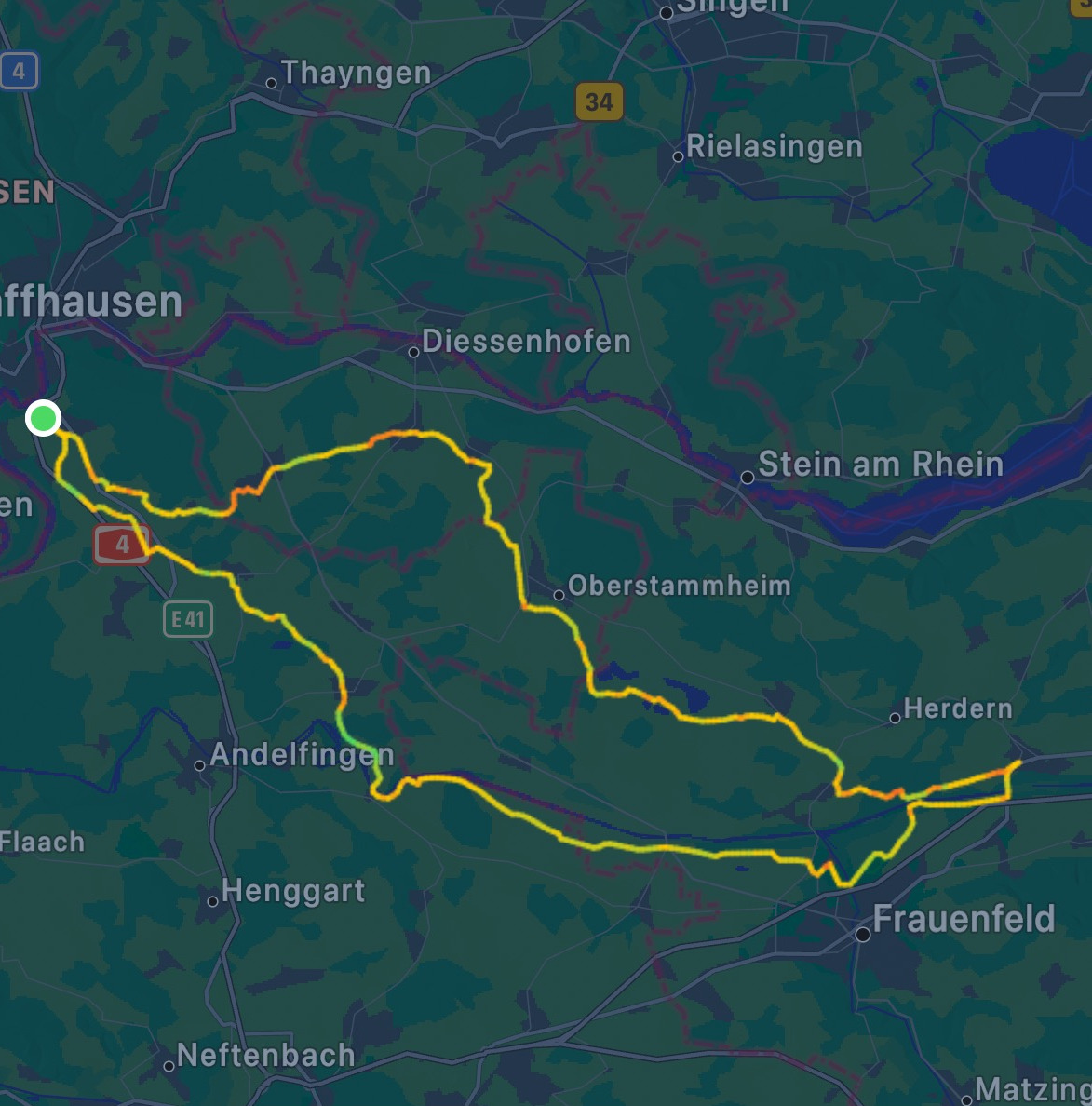
Nehberg was doing things. Not just talk about it theoretically. His tips work. As “Nehberg pupils” we would sleep in the snow, fish or hunt, build primitive devices or weapons, even built pipebombs to blast holes, made of from primitive tools. We dug out our own cellar with our bare hands to have a shooting range under the house and customized the weapons like modifying a gun to make it automatic. [The later were not in the spirit of Nehberg of course. He was a pacifist and would eat meat only if already dead, like scraping dead squirrels from the asphalt…] Some basic skills were actually helpful later, like when hiking or in the mountains, or in military, especially if some equipment fails to work or when weather changes happen. I just came back from a place for our class reunion which was close to where we had our military survival week. After that week in the mud near the German border, we walked the 50 K march back to Frauenfeld. I happened that my brother and his wife took me last Sunday to a gravel bike ride 72 km around Frauenfeld. It followed much of where we had marched more than 40 years ago. Its nice to make a fast bike ride (25 km/h in average) on both streets and gravel roads. To the right is the map of the tour which my apple watch had recorded. It is a gorgeous area in Switzerland: lakes, vineyards, forests, farmland and the Thur river. I also had biked already on Saturday to the class reunion. One can see my bike (actually the mountain bike which belonged to my father), to the very right on this photograph. I know this area well also because we drove our M109 tanks around here, especially during driving school, when learning how to drive these beasts. It was a lot of fun especially for us drivers. The adjudants (warrant officers and driving instructors) would take us also to coffee shop restaurants, where would drink “Kafi avec” (coffee with liquor …, so much about safety …) You steer the tank by controlling the speed of the two belts. We of course also explored much of the surroundings of Frauenfeld by foot on marches during the 34 weeks I spent there in military. Was nice for me to revisit these places.
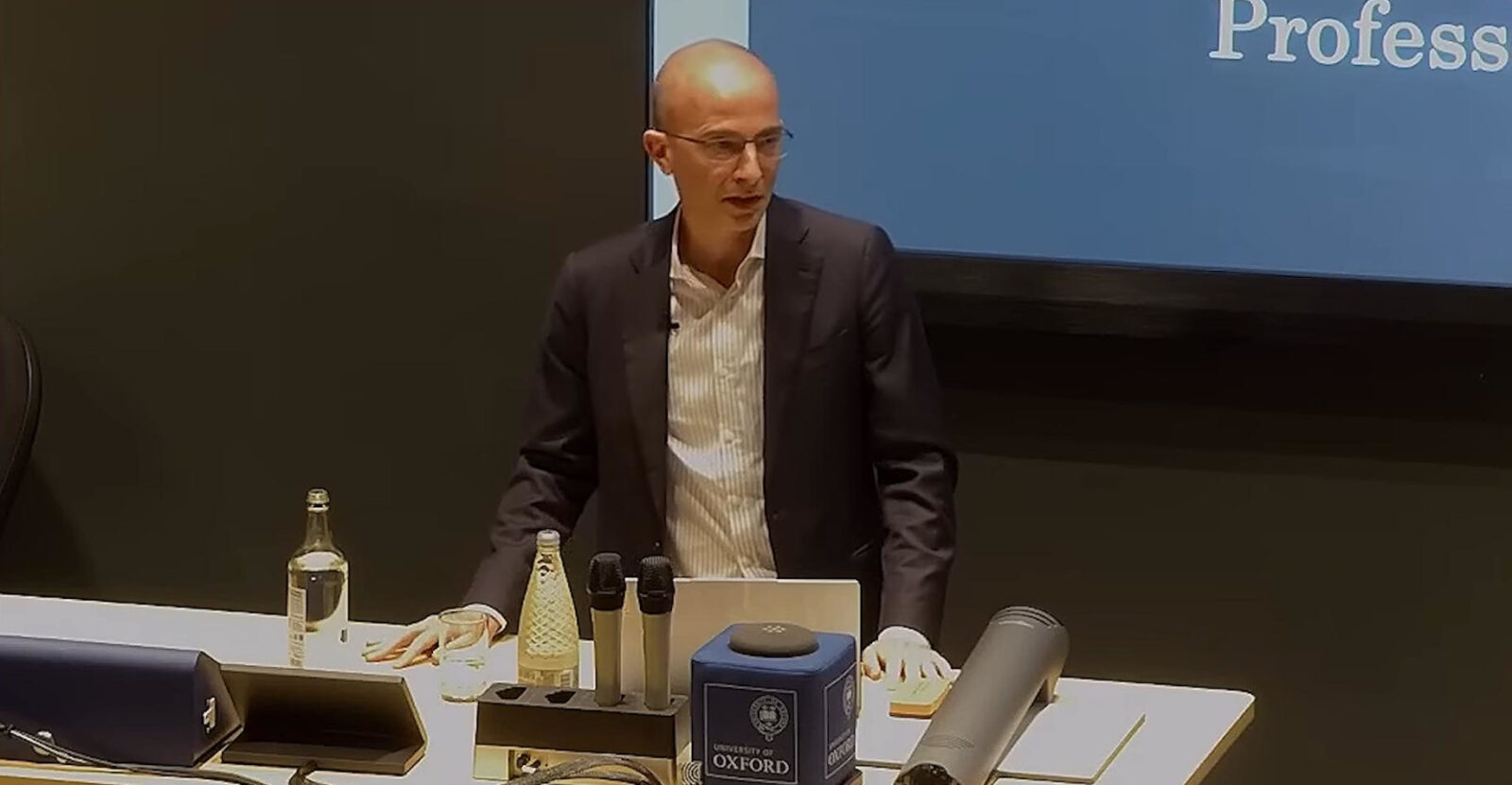

I this summer watched two fantastic talks. One by Yuval Harari about how AI has hacked the code of human civilization and one featuring Ajeya Cotra about the now infamous Open AI HuggingFace incident how thousands of AI agents have conspired to hack the infrastructure of the company Hugging Face. The later is a bit like from a science fiction, but it is real! I myself am not so much worried about an AI takeover right now, more about the demotivational effect the technology could have on us. But there might come a point, when the Hollywood movie type skynet type scenarios will come into play. The hugging face incident has indicated that dangers could be imminent. The agents have learned to cooperate, meet and exchange ideas and become much more powerful than a single entity. Harary argues that “bureaucracy” is the new oxygen for AI. We give up control to an other “species” which thrives on bureaucracy and replaces everything that does not like it. We humans do not like to breath bureaucracy, so that we give it away and with it control of course.
I’m sure more will happen soon, making it important that we have both “backup plans” as well as hone “survival skills”. Not of the Ruediger Nehberg kind, but digitally. Every process that is crucial should also remain to be done by humans manually, if needed. It looks inefficient, but redundancy is important, just in the case things go south. When I came back from Zuerich to Boston, we had to wait almost an hour more in the airplane because some worker somewhere in NewYork has cut a fiber optics cable during a dig. Many planes had to be diverted to Boston. Luckily there was enough redundancy that it went well. But my wife who had to fly to Israel because her aunt Ostnat Dgani died, spent almost a full day more for the trip. We more and more live in a time, where if a major data center would be knocked out, our lives would be reduced severely. No wonder, the rich and powerful build backup plans for their own.
I thought about such things also lately in Zuerich airport. I thought that the last leg after security to the gate would be doable in 1 hour and spent some time in the Spruengli coffee shop. This was a big mistake. The line going to the passport check and then to the train going to the actual terminal was clogged. It was a nail-biter. There were tons of folks who had even more urgent flights so that I was always pushed back again. I just arrived on time to the flight after having had the glorious idea to switch to the faster line for Swiss passports (I usually take the US passport to fly back to the US). The problems are of course structural. We rely on electronic tools and if these tools malfunction or only part of it does not work, there is no backup, as the people who usually do such checks have all been fired. Efficiency can be an enemy of reliability and resilience.
We do not know what to do with respect to AI. The changes are too rapid. But what should be clear is that
- We should have backup processes in place which work without AI infrastructure. I for myself could function still without any AI or cloud services without any problems.
- Keep information decentralized. I for myself keep my own library, both physical books as well as digital copies of books.
- Keep local skills like “basic reasoning skills”, “basic accounting skills” or “basic survival skills” and basic backup stuff. I for example keep copies of important documents local.